Basement, Garage & Remodeling Drywall in the Twin Cities, MN
Finishing a basement, improving a garage, or remodeling part of your home can involve both new and existing drywall. Varland Drywall Inc. provides drywall installation, repair, replacement, and finishing for residential remodeling projects throughout the Twin Cities Metro Area and surrounding Minnesota communities.
Where Does Drywall Fit Into a Remodeling Project?
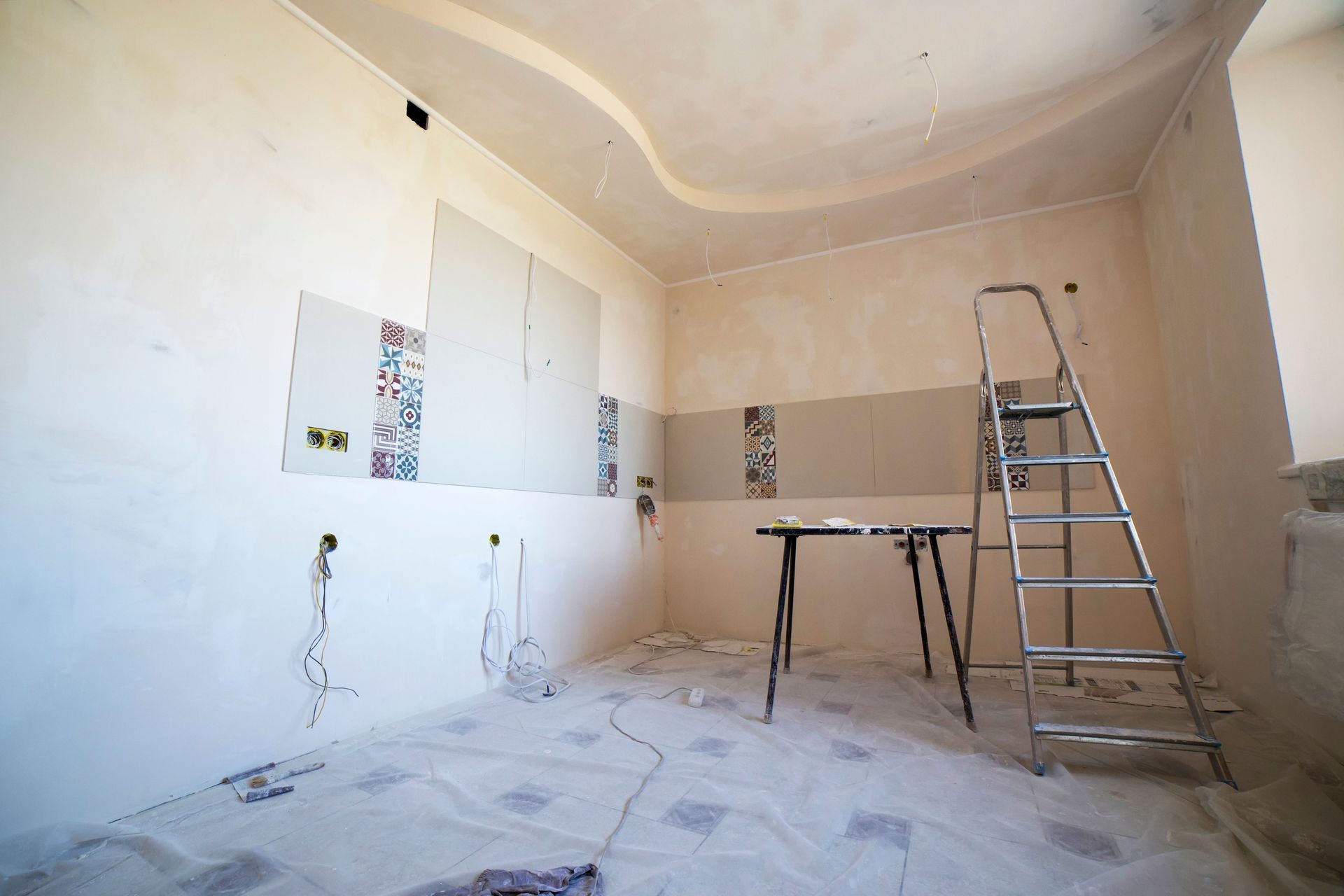
Drywall is one of the stages where a remodeled interior begins to look more like a finished room. Before drywall is installed, a project may still have open wall or ceiling areas.
Once the space is ready for the drywall portion of the work, gypsum board creates the interior surfaces that will later receive finishing, texture, or another appropriate treatment.
Remodeling drywall is not limited to hanging new sheets. An existing room may need damaged drywall repaired. A changed layout can create areas requiring new drywall. Other projects may involve replacement sections where existing material has been removed.
New drywall then needs to transition into the parts of the room that remain. That combination of new and existing surfaces is one of the key differences between remodeling drywall and work in a completely new interior.
Varland Drywall Inc. provides the connected drywall services these projects may require, including installation, hanging and finishing, taping and mudding, repair, replacement, ceiling work, texture matching, and skim coating.
Our company has been established since 1994, and our team brings more than 35 years of drywall experience to residential projects.
Basement Drywall Installation
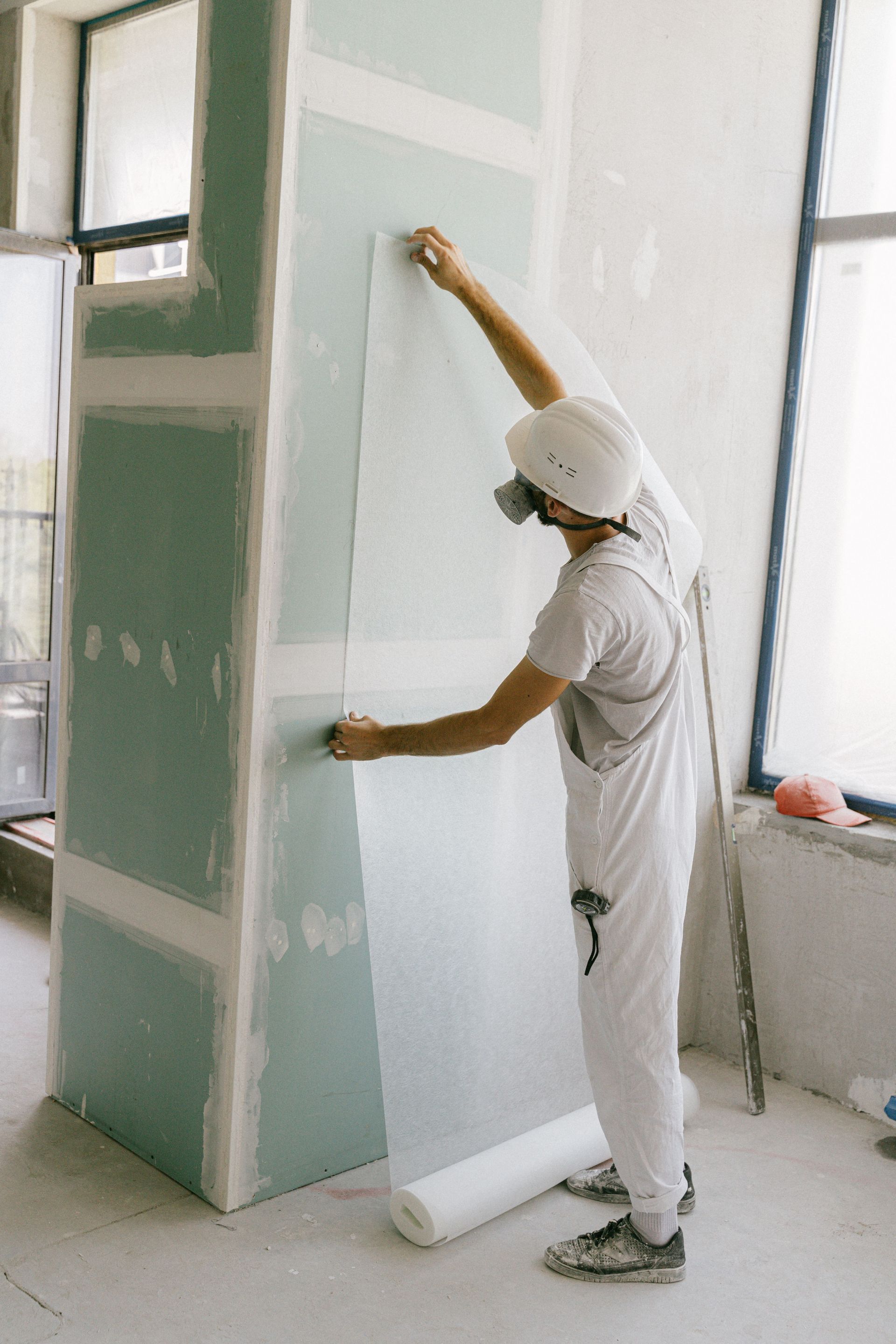
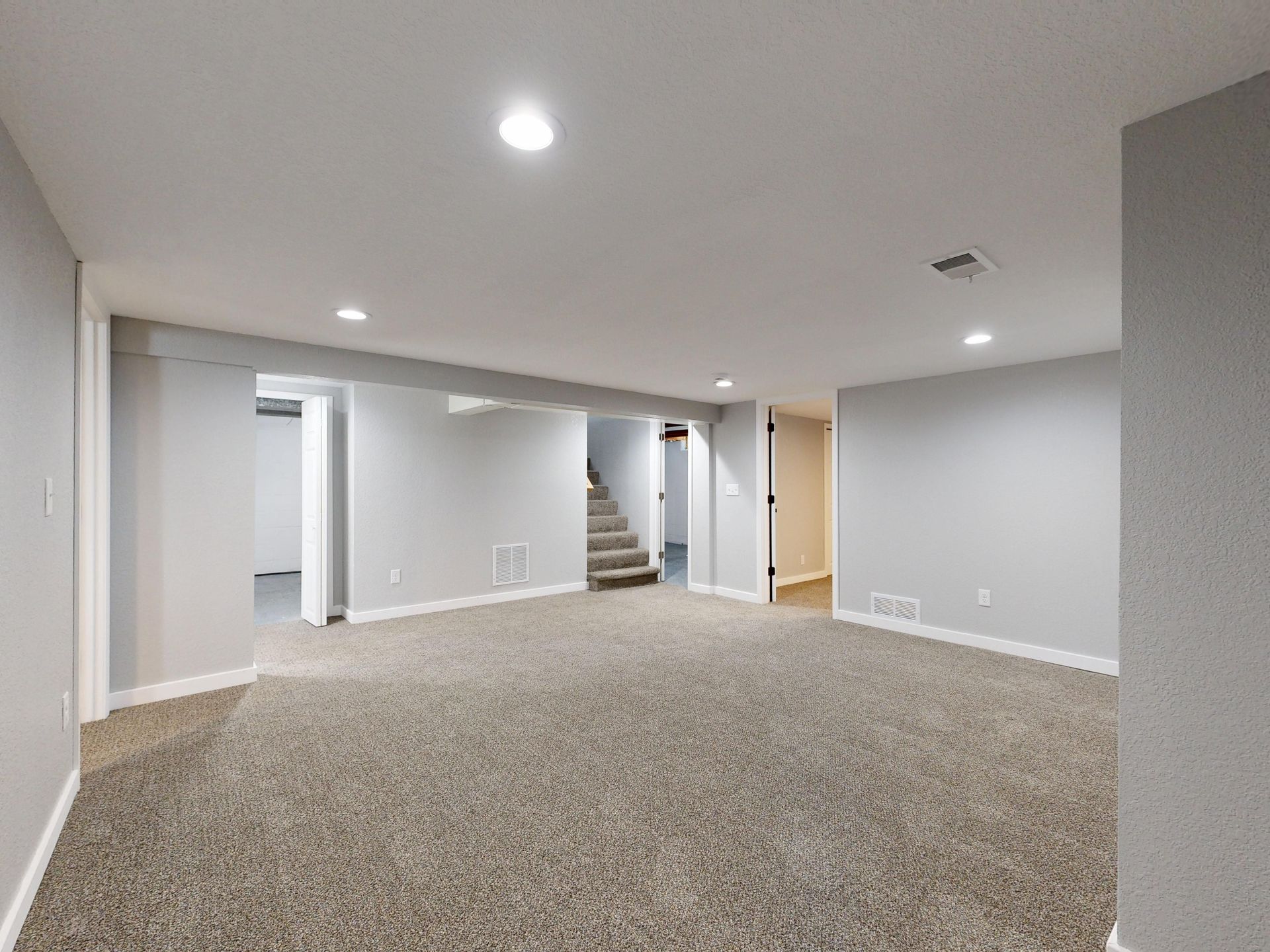
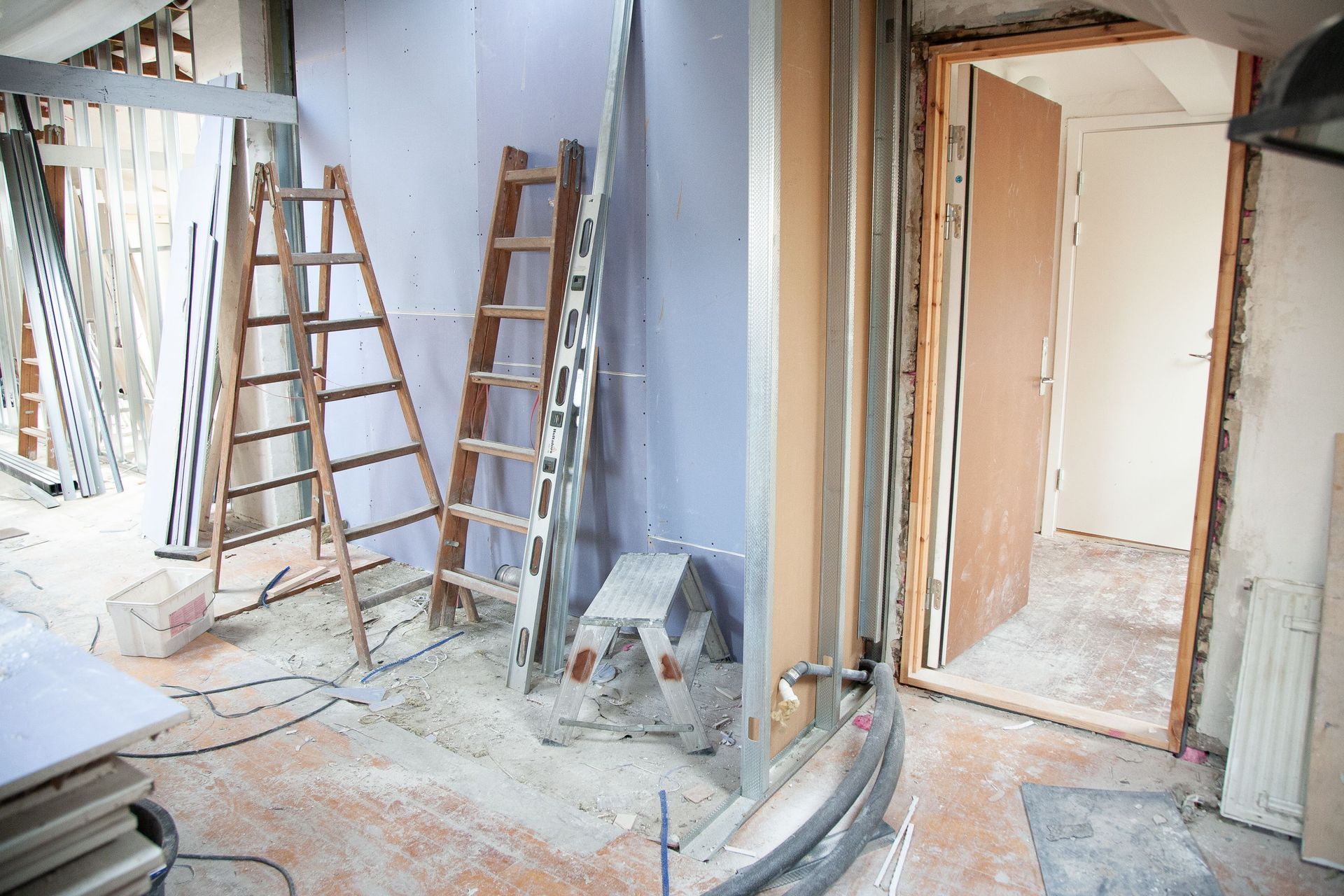
Finishing a basement can create new living, working, storage, or recreational areas within the home. Once the project is ready for interior wall and ceiling surfaces, drywall becomes an important part of defining those spaces.
Basement drywall installation may involve walls, ceilings, or both. Gypsum board is hung to establish the new surfaces. After installation, the seams between panels, fastener areas, corners, and other transitions require finishing.
Taping and joint compound help bring the individual sheets together. Additional finishing and sanding prepare the drywall for its intended final surface. Depending on the project, the basement may receive texture, a smoother wall treatment, or another appropriate finish. Existing basement areas can also require drywall repair or replacement as part of a remodel.
When new drywall meets an existing finished surface, those transitions need to be considered during the finishing process. For projects centered on installing new wall and ceiling surfaces, explore our Drywall Installation service.
Garage Drywall Installation and Finishing
Garage projects can also require new drywall on walls, ceilings, or both. A garage drywall project may be part of a broader home improvement plan or an update to an existing interior surface.
The drywall portion can involve new gypsum board installation, finishing, repairs, or replacement depending on the space. As with other drywall projects, installation is only the beginning of the visible surface. After panels are hung, joints and fastener areas need appropriate finishing.
Corners and transitions also need attention before the drywall moves toward its intended final appearance. If an existing garage already has drywall but portions are damaged, localized repair or replacement may be more appropriate than installing new drywall throughout the entire area. The scope should reflect what the existing surfaces actually need.
Drywall for Home Remodeling
Home remodeling can create several different drywall needs within the same project. A room may have one new wall, an altered ceiling area, existing drywall that stays in place, and several sections that require repair.
Another project may involve broader replacement before the interior is refinished.
This variety is why remodeling drywall benefits from a contractor that can work across multiple stages rather than providing only new panel installation.
Common remodeling situations can include:
- Creating new interior wall surfaces
- Adding or rebuilding ceiling drywall
- Finishing basement walls and ceilings
- Installing garage drywall
- Repairing drywall affected during renovation work
- Replacing damaged or removed drywall sections
- Finishing transitions between new and existing surfaces
- Restoring texture after drywall work
- Resurfacing appropriate walls for a smoother appearance
New Drywall Meeting Existing Walls
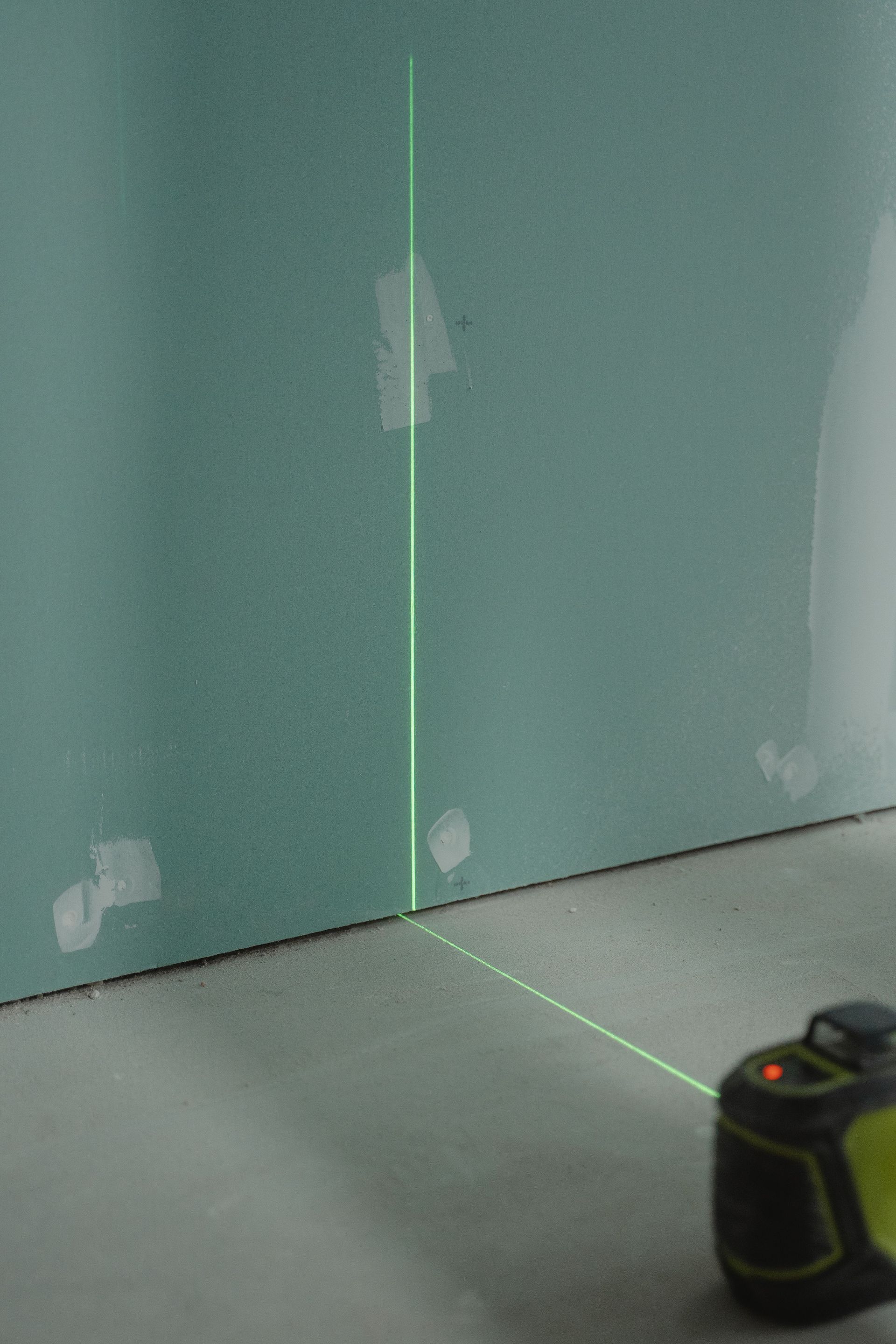
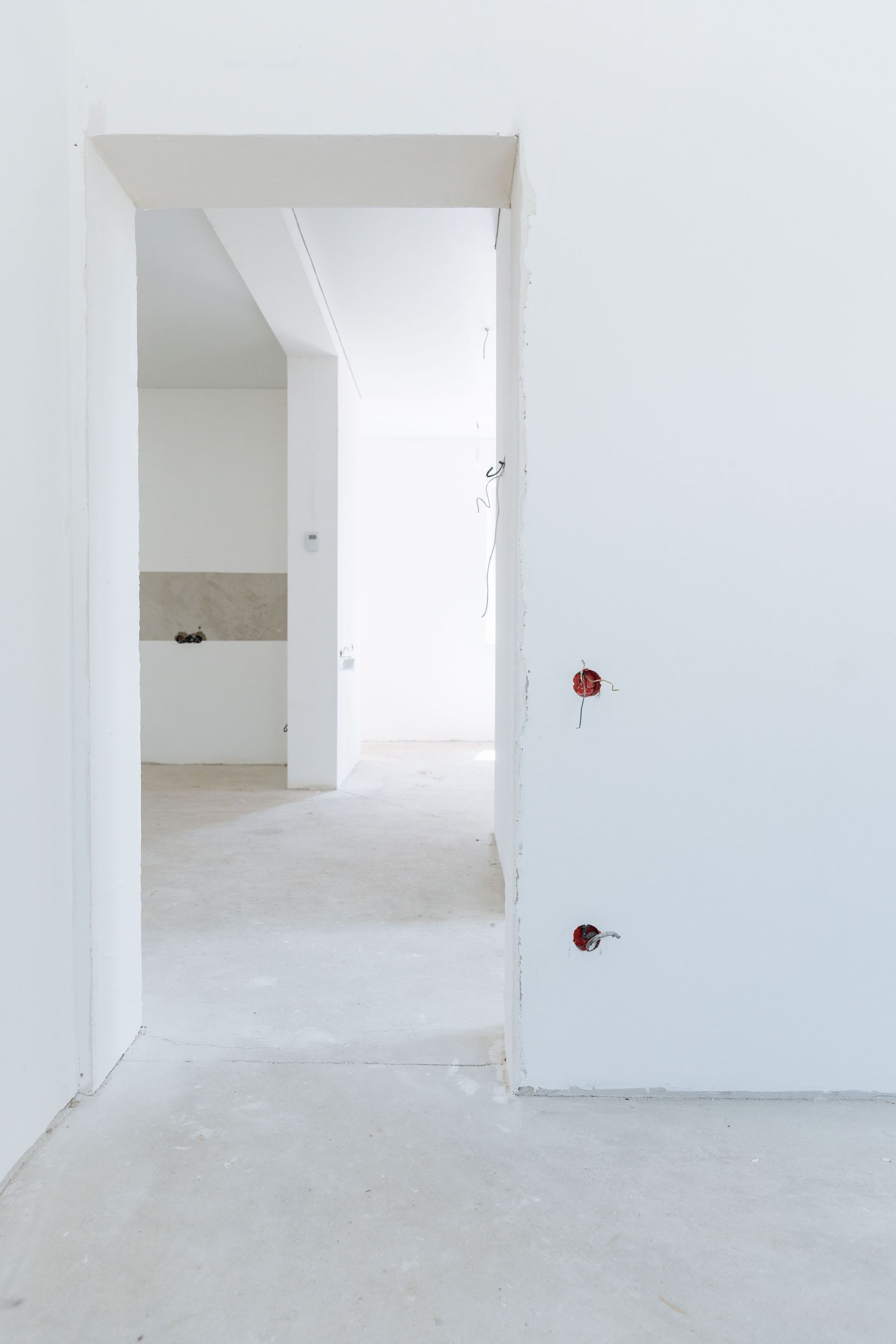
One of the most important finishing challenges in remodeling is the transition between new and existing surfaces. New drywall begins as a clean gypsum board.
The existing wall or ceiling may already have joint finishing, texture, repairs, or other surface characteristics. Where those areas meet, the transition needs to become part of the larger finished surface.
This may involve taping and mudding new seams, preparing adjacent areas, sanding appropriate transitions, or matching existing texture.
A newly installed drywall section can remain visually obvious if its finish is significantly different from the wall around it. That is why we consider the next finishing stage when working on remodeling drywall rather than treating installation as an isolated task.
For existing textured surfaces, our Texture Matching & Custom Hand Textures service can address applicable transitions after drywall work.
One of the first questions with damaged drywall is whether the area can be patched or whether replacing a section makes more sense.
Remodeling Sequence: From New Panels to Finished Surfaces
Understanding the drywall sequence can help homeowners see how several services fit together during a renovation.
This sequence can vary with the project, but it demonstrates why drywall remodeling services often involve more than one trade-specific step within the drywall scope.
1. Determine the Drywall Scope
The project may require new installation, repair, replacement, or a combination of these services.
2. Install or Replace Drywall
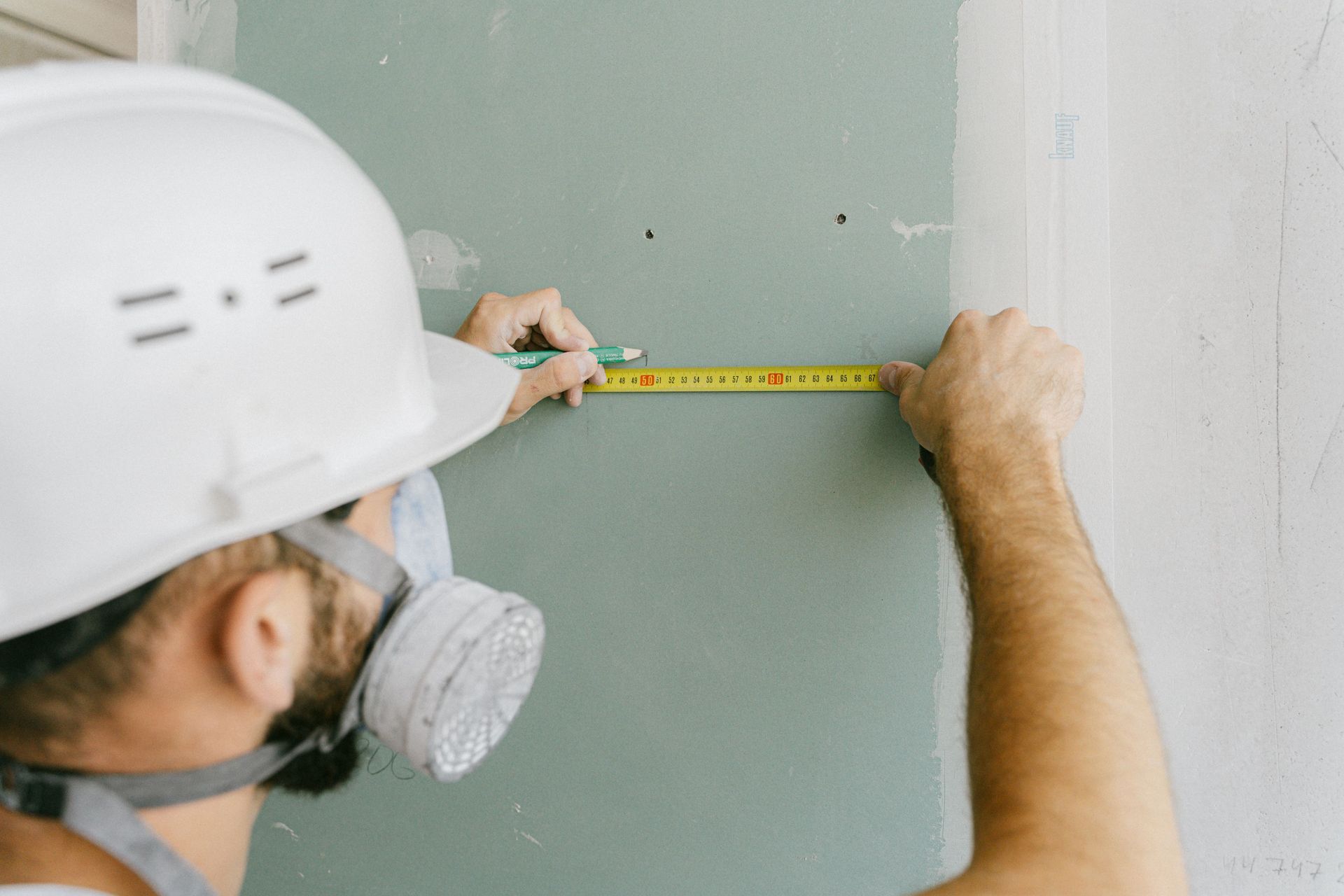
New gypsum board is hung where new wall or ceiling surfaces are needed. Damaged sections may also be replaced when patching is not appropriate.
3. Finish Joints and Transitions
Seams, corners, fastener areas, and places where new drywall meets existing surfaces move into the taping and mudding process.
4. Refine the Surface
Appropriate sanding and additional finishing prepare the drywall for the next stage.
5. Address the Intended Appearance
Depending on the project, the surface may require texture matching, custom texture, skim coating, or another appropriate finishing treatment.
Repair or Replacement During a Remodel?
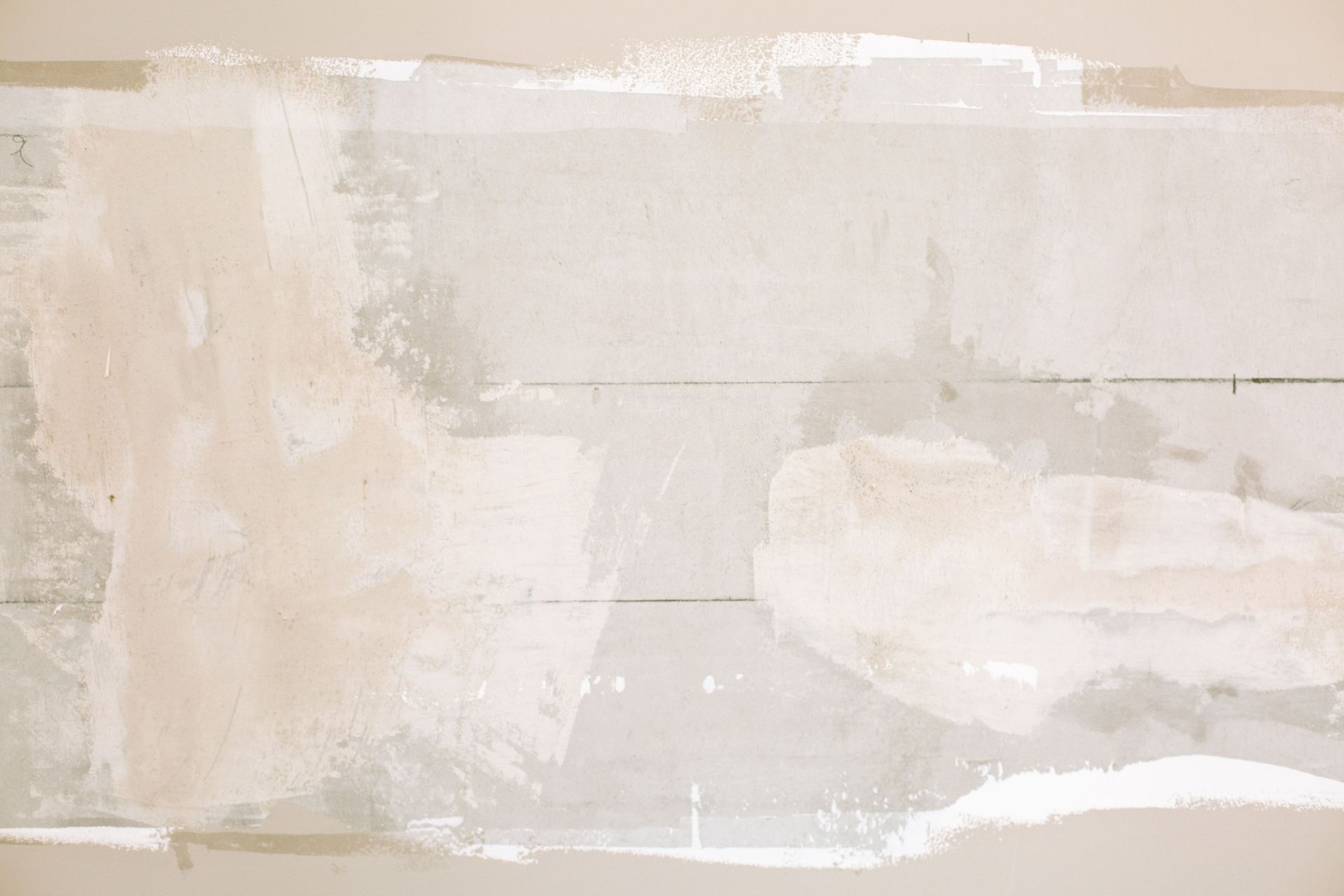
Remodeling often exposes or creates drywall areas that need attention. A small hole or localized damaged section may be suitable for Drywall Repair & Patching.
A larger or more compromised section may be better suited to Drywall Replacement. The objective is not to replace existing drywall unnecessarily. At the same time, a small patch should not automatically be assumed appropriate for every damaged area.
The condition and extent of the drywall help determine the work involved. This distinction becomes particularly useful during renovation because the project may already contain a mixture of existing surfaces and newly created drywall areas.
Finishing Choices for Remodeled Interiors
Once new and repaired drywall surfaces are prepared, the intended appearance becomes important. Some remodeled interiors retain an existing texture.
In that situation, new drywall or repaired sections may require texture matching to help them transition into the surrounding room.
Other projects move toward a smoother appearance. Appropriate walls or ceilings may benefit from additional surface preparation or skim coating. Our Level 5 Finishing & Skim Coating service explains when a higher-level smooth finish may be worth considering.
Varland Drywall also provides custom hand texture services for projects where texture is part of the desired finished appearance.
The right direction depends on the existing room and what you want the remodeled space to look like.
Why Professional Drywall Work Matters During Remodeling
Drywall can connect several different parts of a renovation. New panels need to meet existing walls. Repairs need to transition into surrounding surfaces.
Ceiling work may need to coordinate visually with the walls. Texture or smooth finishing can then influence how consistent the completed room appears. Professional drywall work helps keep these stages connected.
Instead of viewing hanging, repair, joint finishing, and texture as unrelated tasks, the project can be approached as a progression toward the intended interior surface. This is particularly valuable in remodeled rooms where old and new work meet.
Why Choose Varland Drywall for Remodeling Projects?
Residential remodeling drywall can require a combination of installation and repair skills. Varland Drywall Inc. has been established since 1994, and our team brings more than 35 years of drywall experience to residential interiors.
Our full-service capabilities include drywall installation, hanging and finishing, repair, replacement, taping and mudding, sanding, ceiling work, Level 5 finishing, skim coating, texture matching, custom hand textures, and plaster repair.
That range allows us to support the drywall stages of basement finishing, garage improvements, home remodeling, additions, and other residential interior projects. We serve an approximately 60-mile radius from the Twin Cities Metro Area, extending toward St. Cloud and surrounding communities.
Primary service areas include North St. Paul, Maplewood, Oakdale, St. Paul, White Bear Lake, Woodbury, Roseville, Shoreview, Vadnais Heights, and Lake Elmo.
Basement, Garage & Remodeling Drywall FAQs
Do you install drywall in basements?
Yes. We provide basement drywall installation for applicable residential projects, including new
wall and ceiling surfaces along with related drywall finishing.
Do you provide garage drywall installation?
Yes. Our residential drywall services include garage walls and ceilings. Depending on the
project, we can provide installation, repair, replacement, and finishing.
Can you repair existing drywall during a remodel?
Yes. Remodeling projects often involve a combination of new and existing drywall. We provide
patching and repair for localized damage as well as replacement where appropriate.
Can you finish new drywall where it meets an existing wall?
Yes. Remodeling drywall often creates transitions between new and existing surfaces. These
areas may require taping, mudding, sanding, texture matching, or other appropriate finishing
work.
Can you match the existing texture after remodeling?
We provide drywall texture matching and blending for applicable walls and ceilings, along with
custom hand textures. Existing finishes vary, so we focus on professional matching rather than
promising that every transition will become completely invisible.
Do you provide smooth-wall finishing for remodeling projects?
Yes. For appropriate projects where a smoother surface is desired, we provide Level 5 finishing
and skim coating in addition to standard drywall finishing services
Bring Your Remodeling Drywall Together
Whether you are finishing a basement, improving a garage, changing an existing room, or working on a larger home renovation, drywall often connects the new parts of the project with the surfaces already in your home.
Varland Drywall Inc. provides remodeling drywall installation, repair, replacement, and finishing throughout the Twin Cities Metro Area and surrounding Minnesota communities. Tell us about your project, the spaces being updated, and the drywall work you need.
Email:
info@varlanddrywall.com
Business Hours: Monday–Friday, 8:00 AM–5:00 PM Saturday–Sunday: Closed