Drywall Repair & Patching in the Twin Cities, MN
Holes, cracks, dents, and damaged drywall can stand out across an otherwise finished room. Varland Drywall Inc. provides professional drywall repair and patching throughout the Twin Cities Metro Area and surrounding Minnesota communities.
What Type of Drywall Damage Needs Repair?
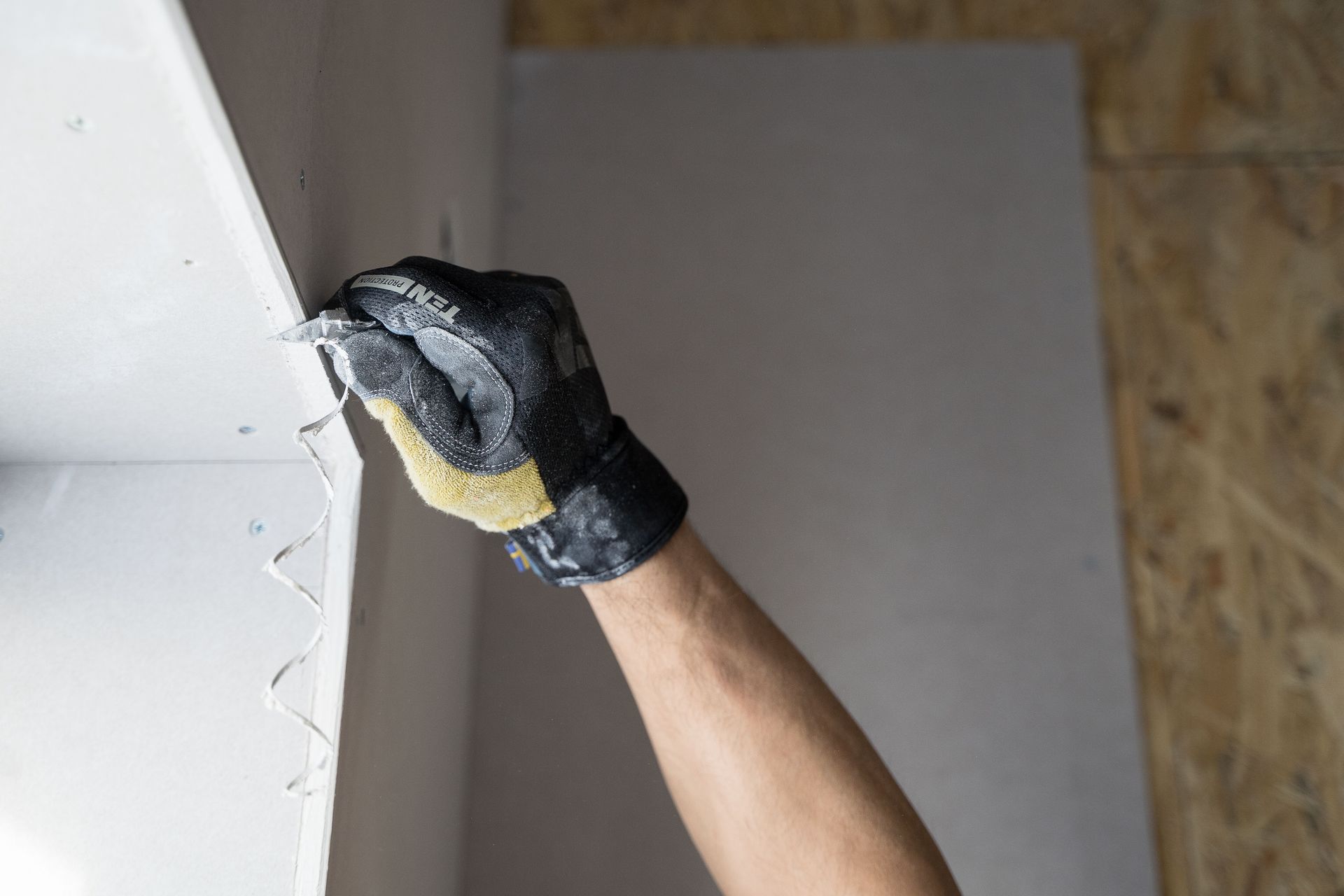
Drywall damage comes in many forms. Some problems affect only a small area, while others involve enough damage that a larger repair or drywall replacement may be more appropriate.
At Varland Drywall Inc., we repair residential walls and ceilings with the finished surface in mind. Fixing drywall is not simply about filling a damaged spot. The repaired area also needs to be prepared so it can transition into the surrounding wall or ceiling. Common drywall problems can include holes, cracks, dents, damaged corners, localized surface damage, and areas affected during remodeling or other work inside the home. Ceiling drywall can also require patching when an area becomes damaged.
The right repair approach depends on the type, size, location, and condition of the affected drywall. A small damaged area may call for a localized patch. Larger or more extensively compromised sections may need to be removed and replaced before finishing begins.
Varland Drywall Inc. was established in 1994, and our team brings more than 35 years of drywall experience to residential repair, installation, finishing, texture, ceiling, and remodeling projects.
Drywall Holes, Cracks, and Surface Damage Are Not All the Same
Understanding the type of damage helps determine what kind of drywall work may be appropriate.
Holes in Drywall
Holes can vary considerably in size and condition. A damaged spot from an impact is different from a larger opening created during renovation work. Hole repair in drywall may involve preparing the damaged area, creating a suitable patch or replacement section, and finishing the repair so it transitions into the surrounding surface.
The larger or more irregular the damaged area becomes, the more important it is to consider the condition of the drywall around it rather than focusing only on the visible opening.
Cracks in Drywall
Cracks may appear along a wall, ceiling, seam, corner, or another part of the finished surface. Repairing a crack involves more than making the line temporarily disappear. The surrounding condition and location of the crack also need to be considered as part of the drywall repair.
Our work focuses on repairing and refinishing the affected drywall surface. If a crack is connected to an underlying structural or other non-drywall issue, that underlying issue may need to be addressed separately.
Dents and Localized Damage
Not every drywall problem creates a complete hole. Dents, gouges, damaged edges, and other localized surface problems can also affect the appearance of a room.
Depending on the damage, patching and surface preparation may restore the area without replacing a much larger section of drywall.
Damaged Ceiling Drywall
Ceiling damage can be particularly noticeable because light moves across a broad overhead surface.
Ceiling drywall repairs may require patching, finishing, and potentially texture work depending on the existing ceiling. For projects focused specifically on ceilings, see our Ceiling Drywall Installation & Repair service.
The installation stage is ultimately about creating the right starting point for the wall or ceiling you want to finish.
How Drywall Patching Works
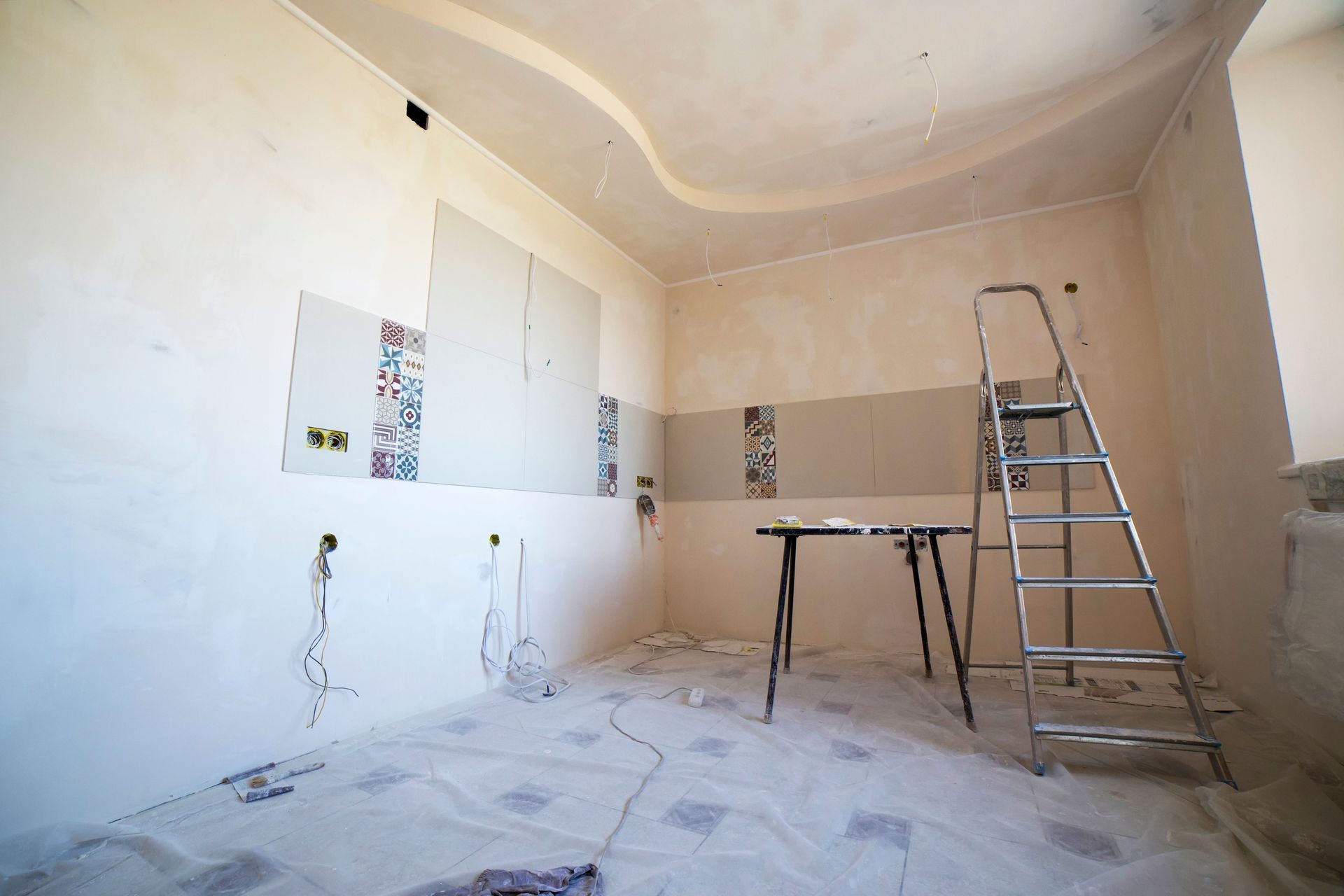
The purpose of drywall patching is to rebuild the damaged area and prepare it to become part of the surrounding finished surface. The exact repair depends on the condition of the drywall, but the work generally begins by assessing the damaged area. Loose or compromised material may need to be addressed before a stable repair can be created.
The patch or repaired section then needs to transition into the existing drywall. Seams, edges, and fastener areas created during the repair become part of the finishing work. Joint compound may be applied as the repaired area is built and blended. The surface is then prepared through the appropriate finishing stages. Sanding and additional surface preparation can help reduce visible transitions between the repair and surrounding drywall.
If the existing wall or ceiling has texture, the job may require another important step: matching or blending that texture. That is why drywall patching and drywall finishing are closely connected. A repair is not complete simply because the original hole or damaged section has been covered.
Patching vs. Drywall Replacement
One of the most useful questions during a drywall repair project is whether the affected area should be patched or replaced.
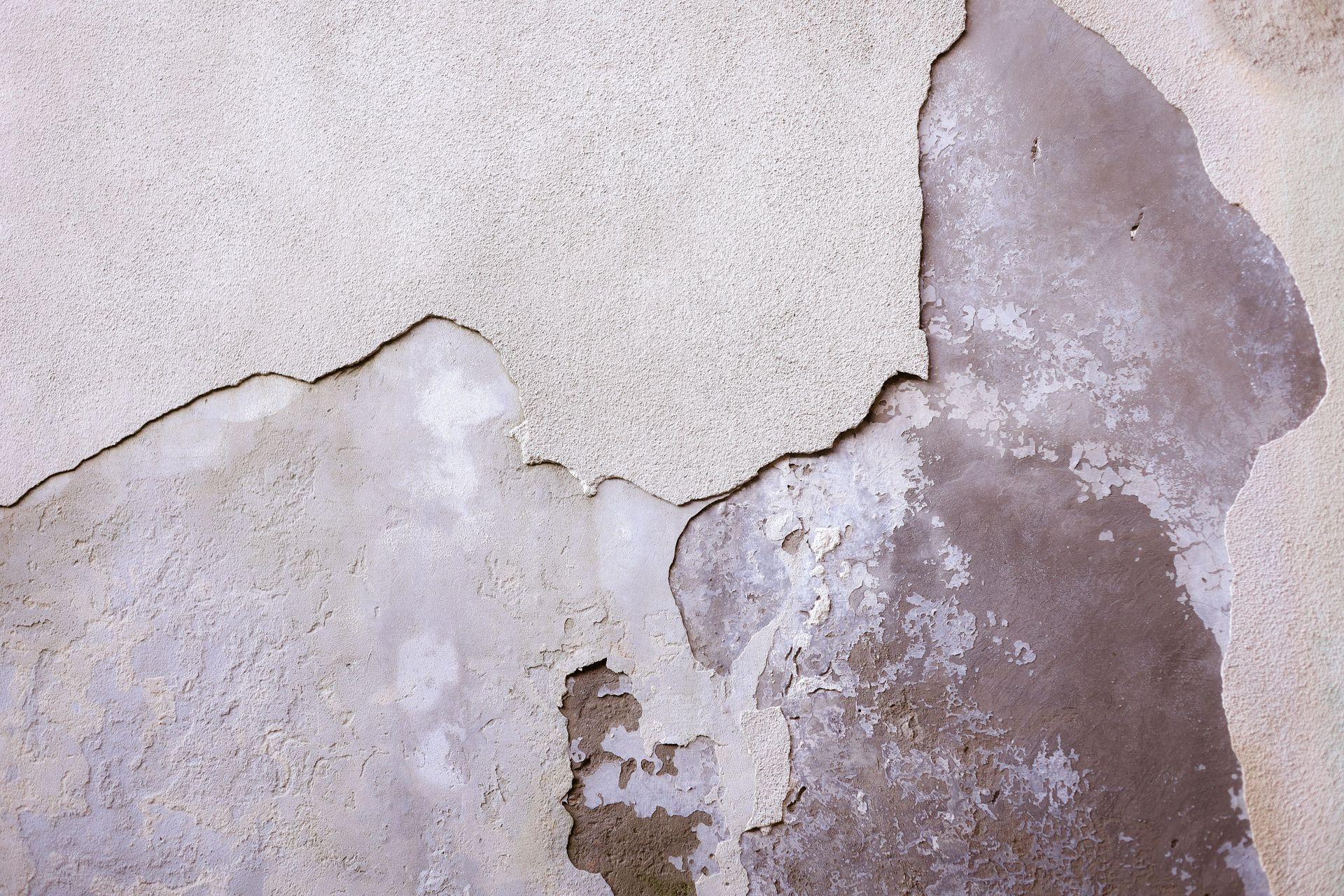
Localized damage may be well suited to drywall patch repair. If the surrounding material remains suitable for repair, addressing only the affected area can avoid replacing more drywall than necessary. More extensive damage may call for a different approach. If a larger section needs to be removed, new drywall can be installed and integrated into the surrounding surface.
The goal is not to use the same repair method for every wall problem. It is to match the drywall work to the condition and extent of the damage. For projects involving more extensive removal and new material, explore our Drywall Replacement service.
Why Texture Matching Matters After a Drywall Repair
A repaired wall can be structurally patched yet remain visually obvious if the surrounding texture is not considered.
Existing walls and ceilings may have smooth surfaces, hand-applied textures, or other texture patterns. When a section is patched, the repaired area can differ from the surrounding surface in both shape and texture.
Texture matching focuses on reducing that visual difference. The existing finish needs to be considered so the repaired section can transition more naturally into the surrounding wall or ceiling. Varland Drywall provides drywall texture matching, texture blending, and custom hand texture services. Our texture capabilities include work involving orange peel, knockdown, skip trowel, and other project-specific finishes.
Related A customer testimonial from Beth & Greg specifically recognized this aspect of our work:
“Basement looks great. You did a wonderful job matching up the textured walls.”
Related Service: Explore Texture Matching & Custom Hand Textures
When Should You Consider Professional Drywall Repair?
Drywall patching may be appropriate when visible damage is affecting an otherwise usable wall or ceiling.
Common situations include:
- Holes in drywall
- Cracks in walls or ceilings
- Dents and gouges
- Damaged drywall corners or edges
- Localized ceiling damage
- Openings left after interior work
- Drywall damage discovered during remodeling
- Repairs that also require texture matching
- Sections that need refinishing before the room is updated
Professional repair is especially valuable when the finished appearance matters. Simply covering a damaged spot does not address the transitions, surface preparation, or texture differences that may remain visible afterward.
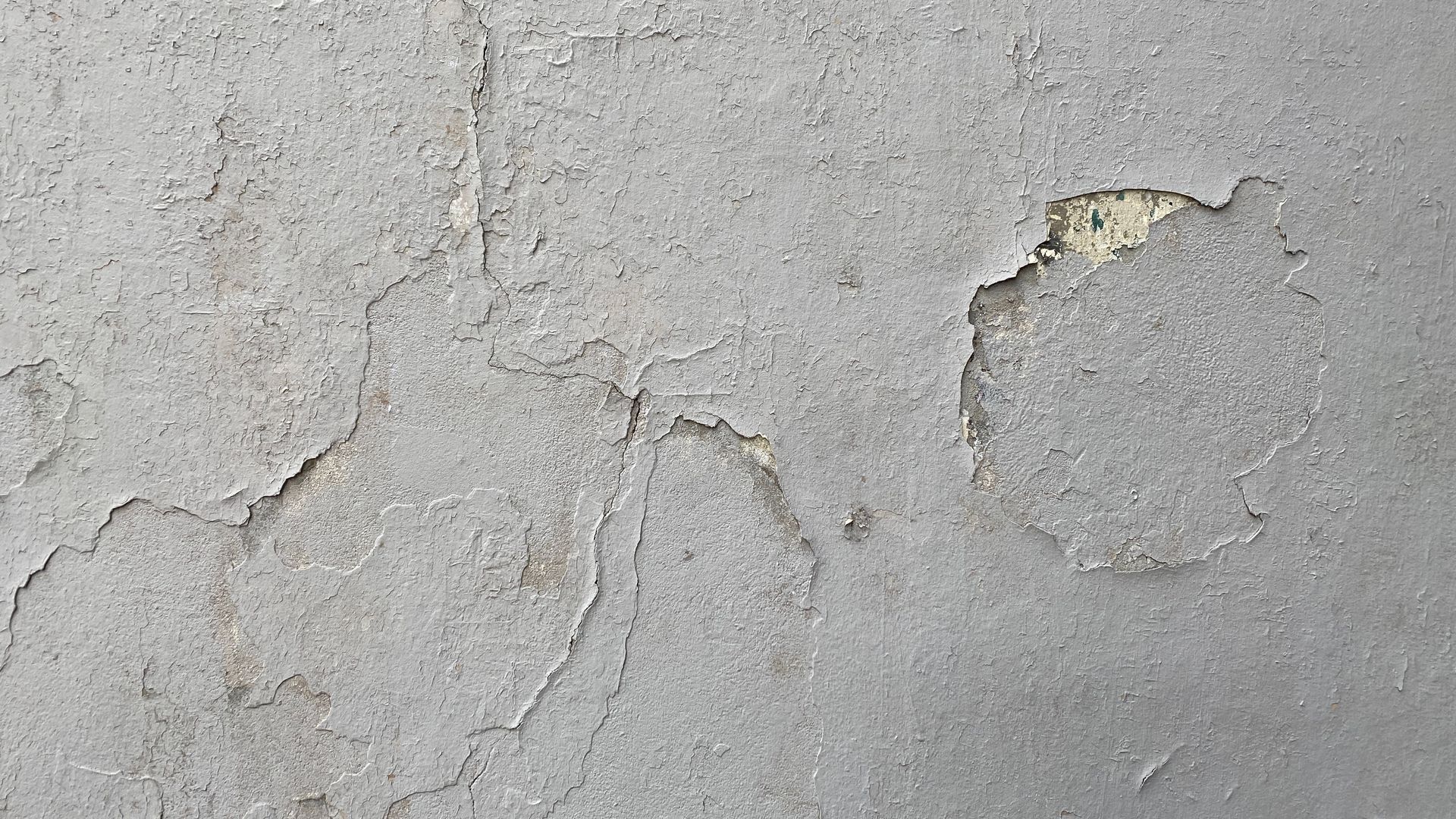
From Damage to a Finished Surface
A successful drywall repair involves several connected considerations.
First, the damaged area needs to be evaluated to determine whether patching or replacement is appropriate. Next, the affected drywall must be prepared and repaired. The resulting seams and transitions then require finishing.
If the surrounding surface is textured, texture matching or blending may follow. Smooth surfaces may require careful preparation so the repair is less noticeable once the wall or ceiling moves to its next finish.
This sequence is why our broader drywall capabilities are useful during repair projects. In addition to drywall patching services, we provide Drywall Replacement, Taping & Mudding, Level 5 Finishing & Skim Coating, and Texture Matching & Custom Hand Textures.
Why Choose Varland Drywall for Drywall Repair?
Repair work often happens in an existing, finished part of your home. That makes attention to the surrounding space and final appearance particularly important.
Varland Drywall Inc. has been established since 1994, and our team brings more than 35 years of drywall experience to residential projects. We work across drywall repair, replacement, finishing, ceilings, textures, plaster surfaces, and remodeling projects.
Customer feedback has also recognized the care taken during work inside the home. Jean McBride shared:
“I really appreciate you taking the time to drape everything with plastic so we did not have a major dust storm of sheet rock dust in our house. You, and your employees, did an awesome job.”
We serve an approximately 60-mile radius from the Twin Cities Metro Area, with our extended territory reaching toward St. Cloud and surrounding communities.
Drywall Repair & Patching FAQs
Can a hole in drywall be patched?
Many localized drywall holes can be repaired with patching. The appropriate approach depends
on the size and condition of the damaged area. More extensive damage may require replacing a
section of drywall.
Can you repair cracks in drywall?
Yes. Crack repair is part of our drywall repair services. The location and condition of the affected
area help determine the drywall work required. If an underlying non-drywall problem is
contributing to the crack, that issue may need separate attention.
Is patching better than replacing drywall?
Neither approach is automatically better. Localized damage may be suitable for patching, while
larger or more extensive damage may require drywall replacement. The condition of the affected
area determines which approach makes more sense.
Can you match the texture after repairing drywall?
Yes. We provide drywall texture matching, texture blending, and custom hand texture services
for walls and ceilings. Texture work can be especially important when a repair needs to
transition into an existing finished surface.
Do you repair ceiling drywall?
Yes. We repair damaged ceiling drywall in addition to wall surfaces. Depending on the existing
ceiling, the project may also involve finishing or texture work.
What areas do you serve?
We provide drywall repair throughout an approximately 60-mile radius from the Twin Cities
Metro Area. Our extended service territory reaches toward St. Cloud, with primary areas
including North St. Paul, Maplewood, Oakdale, St. Paul, White Bear Lake, Woodbury, Roseville,
Shoreview, Vadnais Heights, and Lake Elmo.
Get Your Damaged Drywall Repaired
A hole, crack, damaged ceiling, or poorly finished patch can draw attention every time you enter the room. Varland Drywall Inc. provides professional drywall repair and patching designed to address the damaged area and prepare the surface for a more consistent finished appearance.
Tell us what happened, where the damage is located, and what the wall or ceiling currently looks like. Our team provides home drywall repair throughout the Twin Cities Metro Area and surrounding Minnesota communities.
Email:
info@varlanddrywall.com
Business Hours: Monday–Friday, 8:00 AM–5:00 PM Saturday–Sunday: Closed