Water-Damaged Drywall Repair in the Twin Cities, MN
Water exposure can leave drywall stained, damaged, or no longer suitable for a simple surface repair. After the source of the moisture has been corrected, Varland Drywall Inc. can repair or replace affected drywall and rebuild the finished wall or ceiling surface.
We serve homeowners throughout the Twin Cities Metro Area and surrounding Minnesota communities.
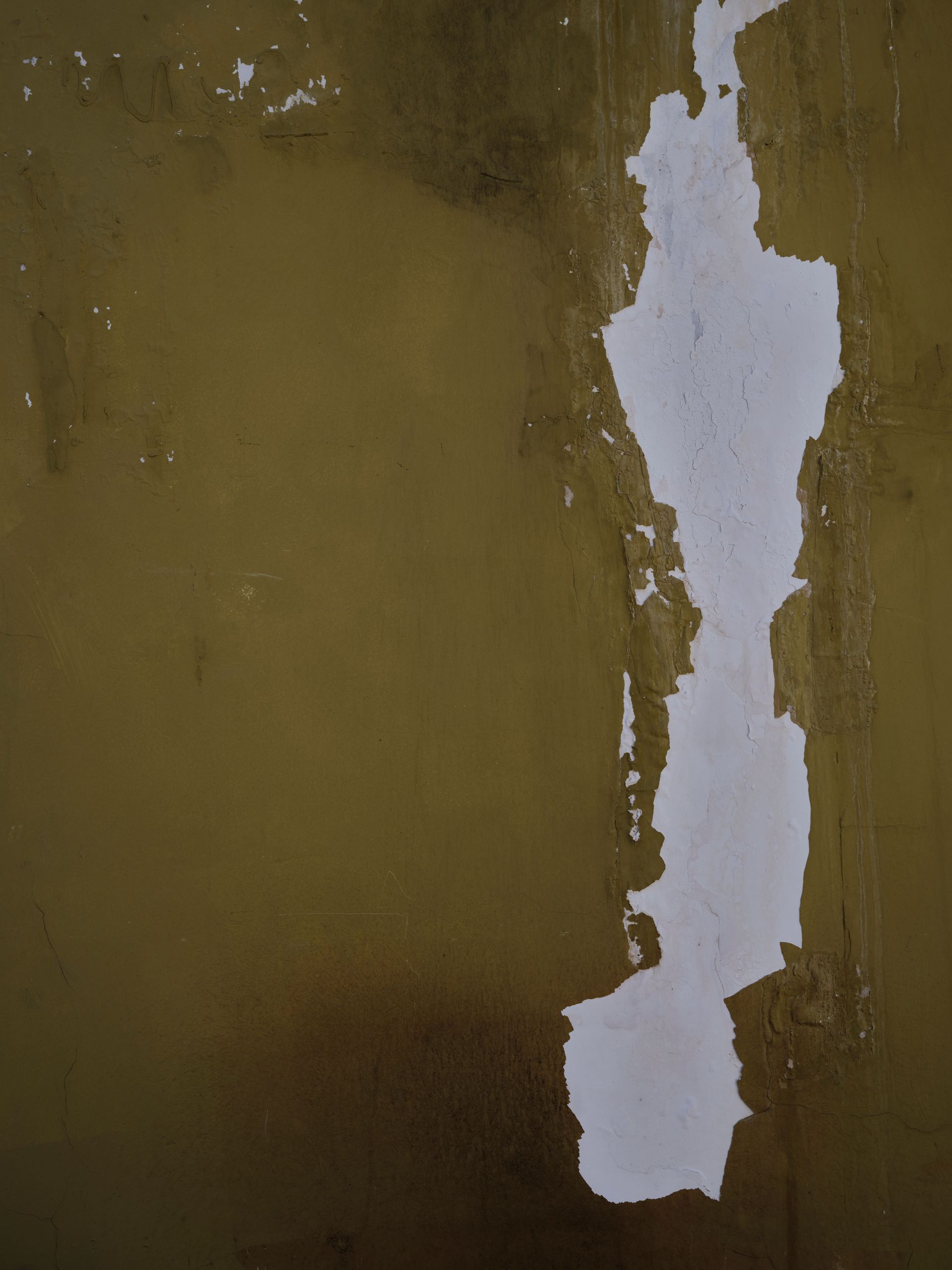
What Happens to Drywall After Water Exposure?
Drywall is an interior wall and ceiling material, and exposure to unwanted moisture can affect its condition. The extent of that impact can vary. One project may involve a localized affected section, while another may require more drywall to be removed and replaced.
This is why drywall after water damage should be considered based on the actual condition of the affected area rather than assuming every project needs the same repair. Visible changes may indicate that a section should be evaluated for drywall work.
These can include staining, damaged surface material, deterioration, or a section that has lost the condition needed for an appropriate drywall repair. Ceilings can also be affected when water reaches overhead drywall. The important first step, however, is not drywall patching. The source of the moisture should be identified and corrected before drywall restoration begins.
Varland Drywall Inc. focuses on the drywall portion of the project. We do not represent our drywall services as plumbing repair, water extraction, mold remediation, or environmental testing.
Once the underlying moisture problem has been handled separately, our team can address the affected wall or ceiling drywall.
One of the first questions with damaged drywall is whether the area can be patched or whether replacing a section makes more sense.
Should Water-Damaged Drywall Be Repaired or Replaced?
One of the main questions homeowners have after a moisture problem is whether the drywall can be repaired or needs replacement. The answer depends on the condition and extent of the affected material.
When a Localized Repair May Be Appropriate
If an affected area is limited and the drywall remains suitable for repair, the project may involve localized drywall work and refinishing.
The repair then needs to transition into the surrounding wall or ceiling. This may require patching, joint finishing, sanding, and texture work depending on the existing surface.
When Replacement May Be More Appropriate
If a section of drywall is too compromised for a practical patch, removing the affected material and installing new drywall may provide a more suitable foundation for restoration.
Replacement can focus on an affected section rather than automatically requiring an entire room to receive new drywall.
Once replacement drywall is installed, its seams and edges need to be integrated into the existing surface through the appropriate finishing stages.
For a deeper explanation of this process, visit our Drywall Replacement service page.
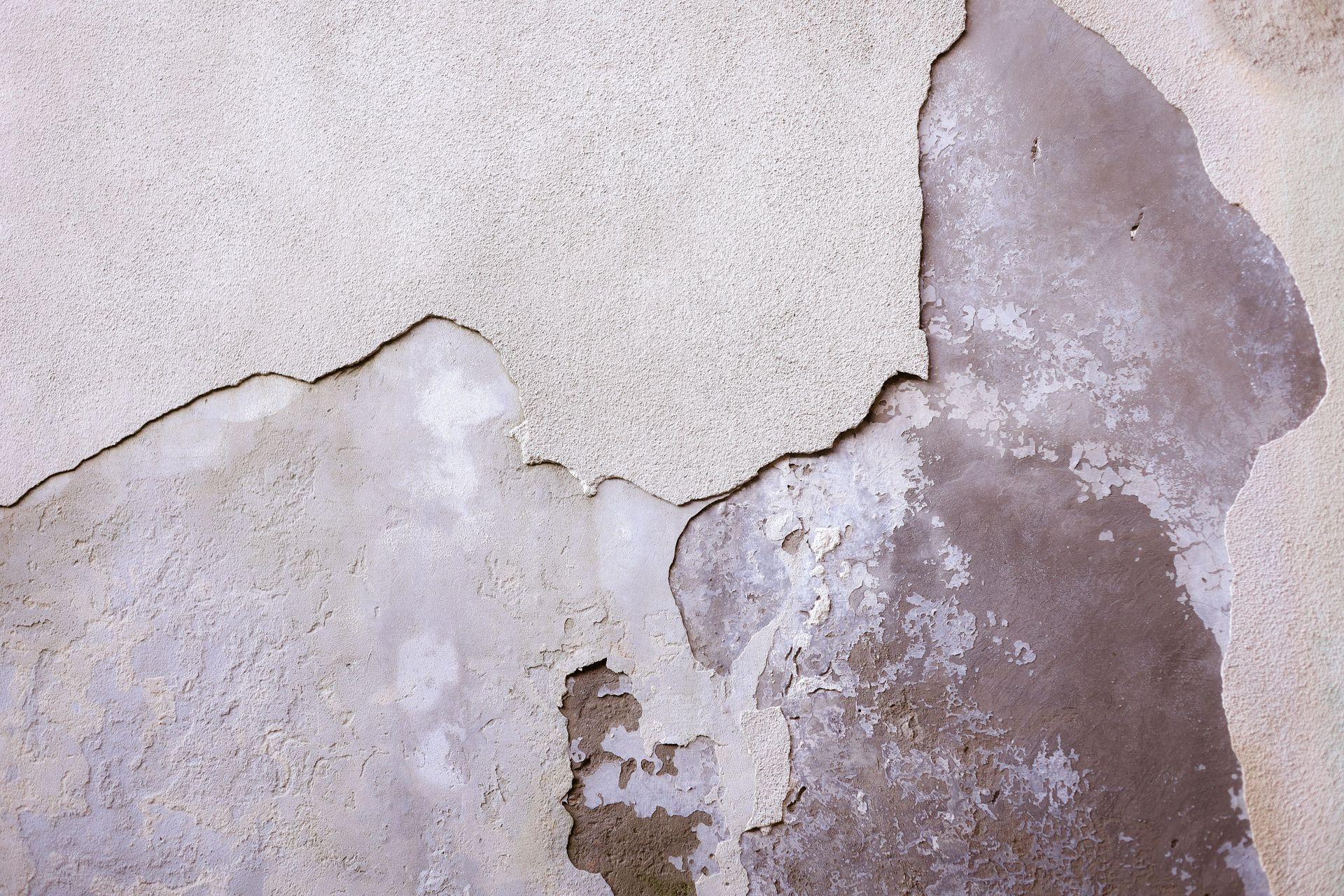
Why the Moisture Source Comes Before Drywall Restoration
Replacing damaged drywall before the moisture source is corrected can put the new surface back into the same problematic conditions.
That is why the sequence matters. The underlying source should first be addressed by the appropriate provider.
Depending on the situation, that work may fall outside drywall contracting entirely. After the source has been corrected, the drywall portion of the restoration can begin. This separation keeps the scope clear.
Varland Drywall repairs and replaces drywall. We do not claim to locate or repair plumbing problems, provide water extraction, perform mold remediation, or conduct environmental testing.
If you are contacting us after another provider has already addressed the source of the moisture, tell us what drywall areas were affected and what condition they are currently in.
One of the first questions with damaged drywall is whether the area can be patched or whether replacing a section makes more sense.
From Damaged Drywall to a Rebuilt Surface
Once the moisture source has been corrected, restoring the drywall involves more than covering a stain or applying compound over a damaged area. The drywall itself needs to be considered.
1. Review the Affected Wall or Ceiling Area
The first drywall question is how much of the surface has been affected and whether the material is suitable for repair. This helps determine whether the project calls for patching, removal and replacement, or another drywall service.
2. Remove Compromised Drywall When Appropriate
If replacement is needed, affected drywall sections are removed so a new gypsum board can be installed. The extent of removal depends on the drywall condition and project scope.
3. Install or Patch the Drywall Surface
New drywall can be fitted into replacement areas, while appropriate localized damage may be addressed through patching. Either approach creates transitions that need further finishing.
4. Finish Seams and Repair Transitions
Where new or repaired drywall meets the existing surface, seams and edges may require taping and joint compound. Additional finishing and sanding help prepare these transitions for the next stage.
5. Address the Existing Surface Finish
If the wall or ceiling is textured, the restored area may also require texture matching. Smooth surfaces may call for other appropriate surface preparation.
This final consideration is important because repairing the material and restoring its appearance are connected but distinct parts of the drywall project.
One of the first questions with damaged drywall is whether the area can be patched or whether replacing a section makes more sense.
Water-Damaged Walls vs. Ceilings
Moisture-related drywall damage can occur on both walls and ceilings, but the finished surfaces can present different repair considerations.
Wall Drywall
A damaged wall section may require localized patching or replacement. After the drywall work is completed, the repaired section needs to transition into the surrounding wall. Existing texture can influence how noticeable that transition becomes.
Ceiling Drywall
Water-related ceiling damage can be especially visible because ceilings often form broad, uninterrupted surfaces.
If affected ceiling drywall needs replacement, the new section must be installed and finished into the existing ceiling. Texture differences can also make a repaired area stand out. For projects focused primarily on an overhead surface, explore our Ceiling Drywall Installation & Repair service.
This final consideration is important because repairing the material and restoring its appearance are connected but distinct parts of the drywall project.
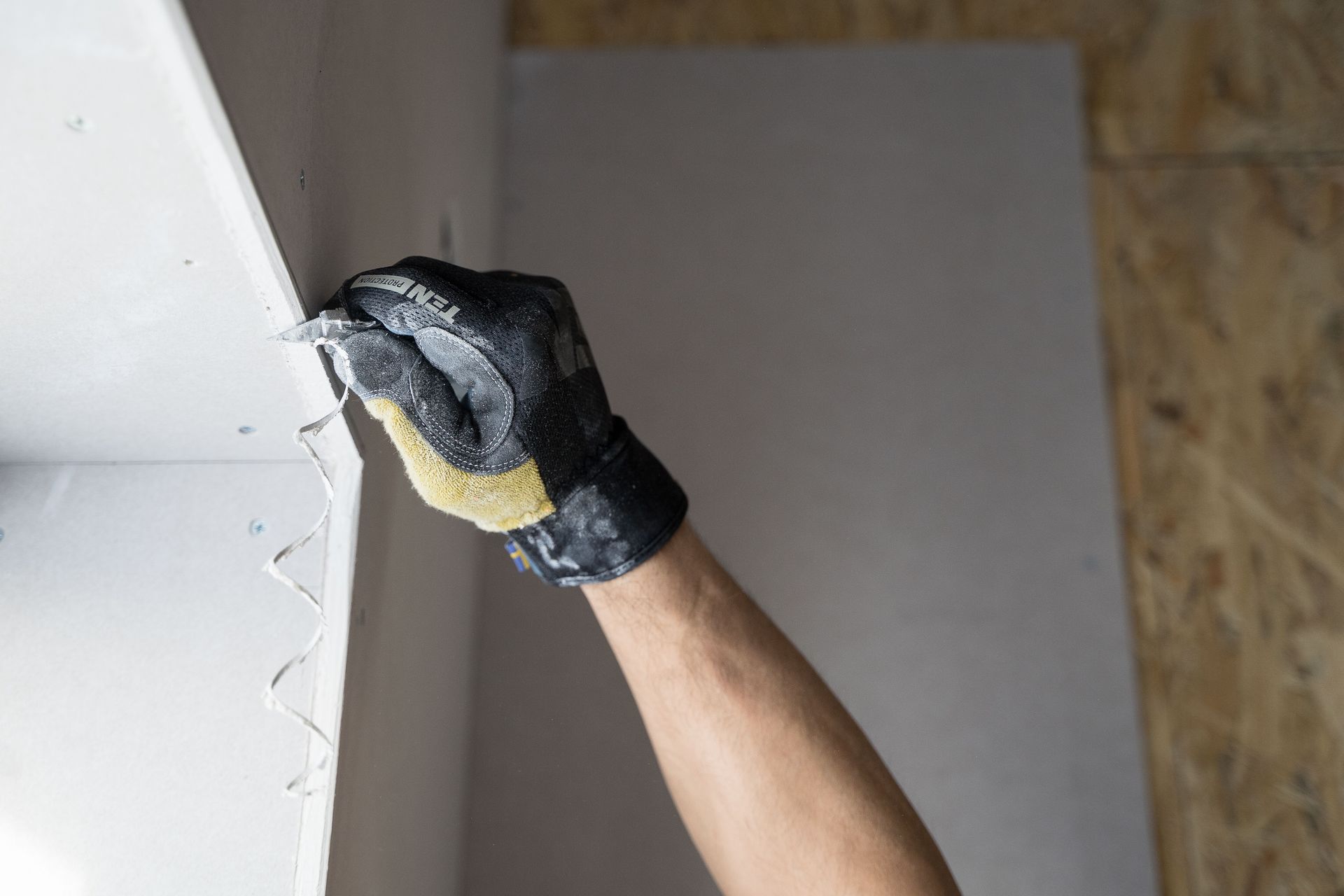
Why Finishing Matters After Water-Damaged Drywall Is Replaced
Removing compromised drywall solves only one part of the drywall problem. The replacement material still needs to become part of the existing room. New sections create seams where replacement drywall meets the surrounding material.
These transitions may require taping, mudding, sanding, and other finishing work. The existing surface also matters. A textured wall can make a smooth replacement patch obvious. Likewise, a repaired ceiling may remain visually different if the surrounding texture is not considered.
Varland Drywall provides related Texture Matching & Custom Hand Textures for appropriate projects. We also provide Level 5 Finishing & Skim Coating where a smoother surface treatment is suitable.
Our broader drywall capabilities allow the repair to move from replacement or patching into the finishing stages needed for the surface.
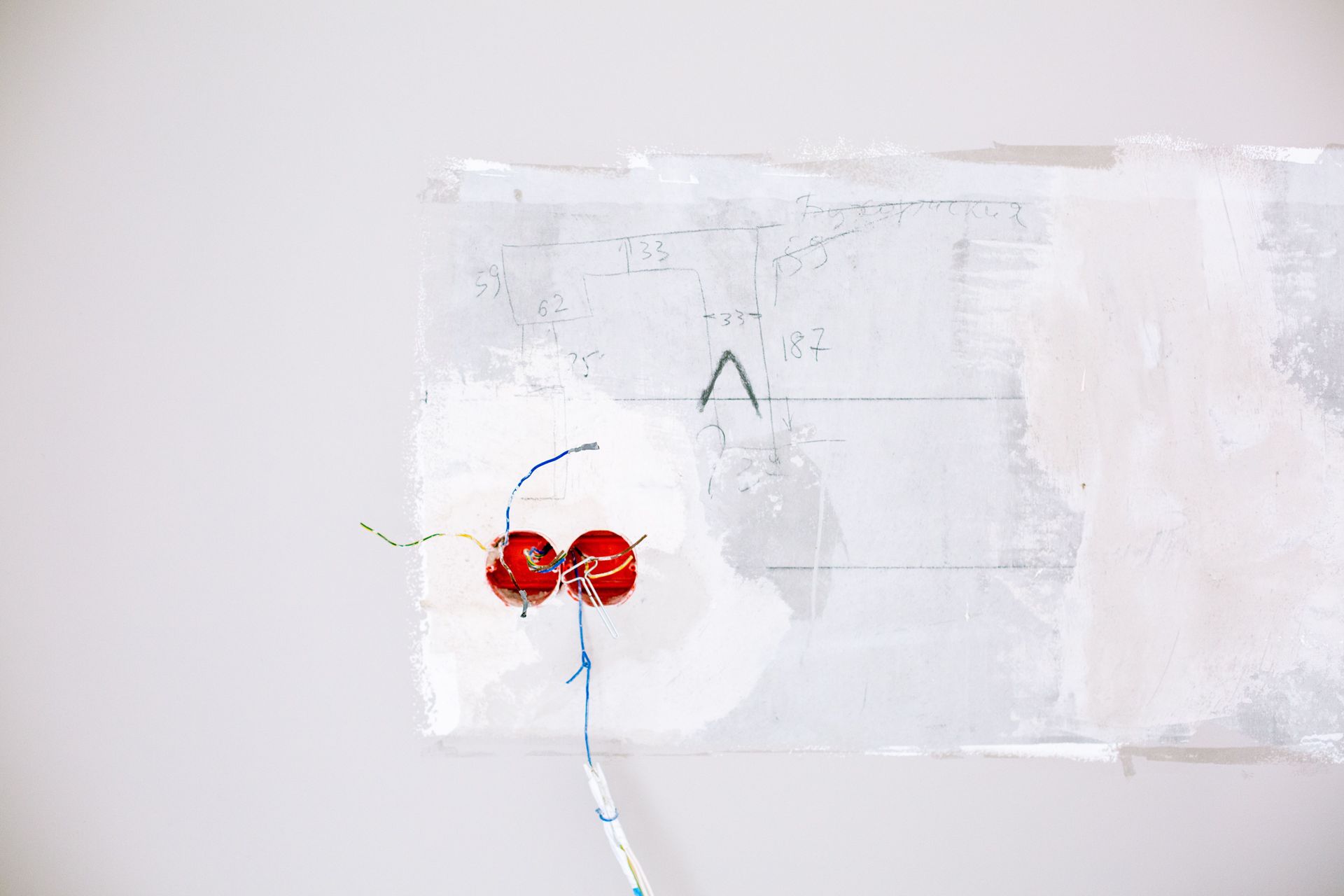
Water Damage During Remodeling or Interior Repairs
Sometimes moisture-related drywall work becomes part of a larger interior project. A damaged section may be discovered while a room is being remodeled.
Other projects may begin specifically because a previous moisture problem has already been corrected and the remaining wall or ceiling now needs to be rebuilt. In either situation, the drywall work should reflect the condition of the existing surface.
The project may involve removing damaged drywall, installing new gypsum board, finishing seams, repairing adjacent sections, or addressing texture. Our team can provide these connected drywall services without representing the work as correction of the original water source.
Why Choose Varland Drywall for Drywall Restoration?
Water-related drywall projects often involve several stages, from removing affected sections to rebuilding and finishing the surface.
Varland Drywall Inc. has been established since 1994, and our team brings more than 35 years of drywall experience to residential projects. Our services include drywall repair, replacement, installation, hanging and finishing, taping and mudding, ceiling drywall work, texture matching, skim coating, plaster repair, and remodeling drywall.
This range allows us to address the drywall portion of a restoration project based on what the affected wall or ceiling actually needs. We serve an approximately 60-mile radius from the Twin Cities Metro Area, extending toward St. Cloud and surrounding communities.
Primary service areas include North St. Paul, Maplewood, Oakdale, St. Paul, White Bear Lake, Woodbury, Roseville, Shoreview, Vadnais Heights, and Lake Elmo.
Water-Damaged Drywall Repair FAQs
Can water-damaged drywall be repaired?
Some localized affected areas may be suitable for drywall repair, while more compromised
sections may require replacement. The condition and extent of the affected drywall help
determine the appropriate work.
Should I repair the drywall before fixing the water source?
No. The underlying moisture source should be corrected before drywall restoration begins.
Otherwise, replacement or repaired drywall may be exposed to the same unresolved conditions.
Do you replace water-damaged drywall?
Yes. After the underlying moisture source has been corrected, we can replace affected drywall
sections when replacement is appropriate to the project.
Can you repair a water-damaged drywall ceiling?
We provide ceiling drywall repair and replacement after the source of the moisture has been
corrected. The project may also require finishing and texture matching depending on the
existing ceiling.
Do you provide mold remediation or water extraction?
No. Our work focuses on drywall repair, replacement, installation, and finishing. We do not
provide water extraction, mold remediation, plumbing repair, or environmental testing.
Can you match the texture after replacing damaged drywall?
Yes. We provide texture matching and custom hand texture services for applicable walls and
ceilings. Texture work can help the restored section transition into the surrounding finished
surface.
Restore Your Wall or Ceiling After the Moisture Problem Is Corrected
Once the source of unwanted moisture has been addressed, damaged drywall should not be treated as an afterthought. The affected material may need patching or replacement, followed by careful finishing to rebuild the wall or ceiling surface.
Varland Drywall Inc. provides water-damaged drywall repair and replacement throughout the Twin Cities Metro Area and surrounding Minnesota communities. If the moisture source has been corrected and you are ready to address the remaining drywall damage, tell us about your project.
Email:
info@varlanddrywall.com
Business Hours: Monday–Friday, 8:00 AM–5:00 PM Saturday–Sunday: Closed