Drywall Replacement in the Twin Cities, MN
When drywall damage extends beyond a practical patch, replacing the affected section can provide a better foundation for restoration. Varland Drywall Inc. provides drywall replacement for damaged walls and ceilings throughout the Twin Cities Metro Area and surrounding Minnesota communities.
When Does Damaged Drywall Need Replacement?
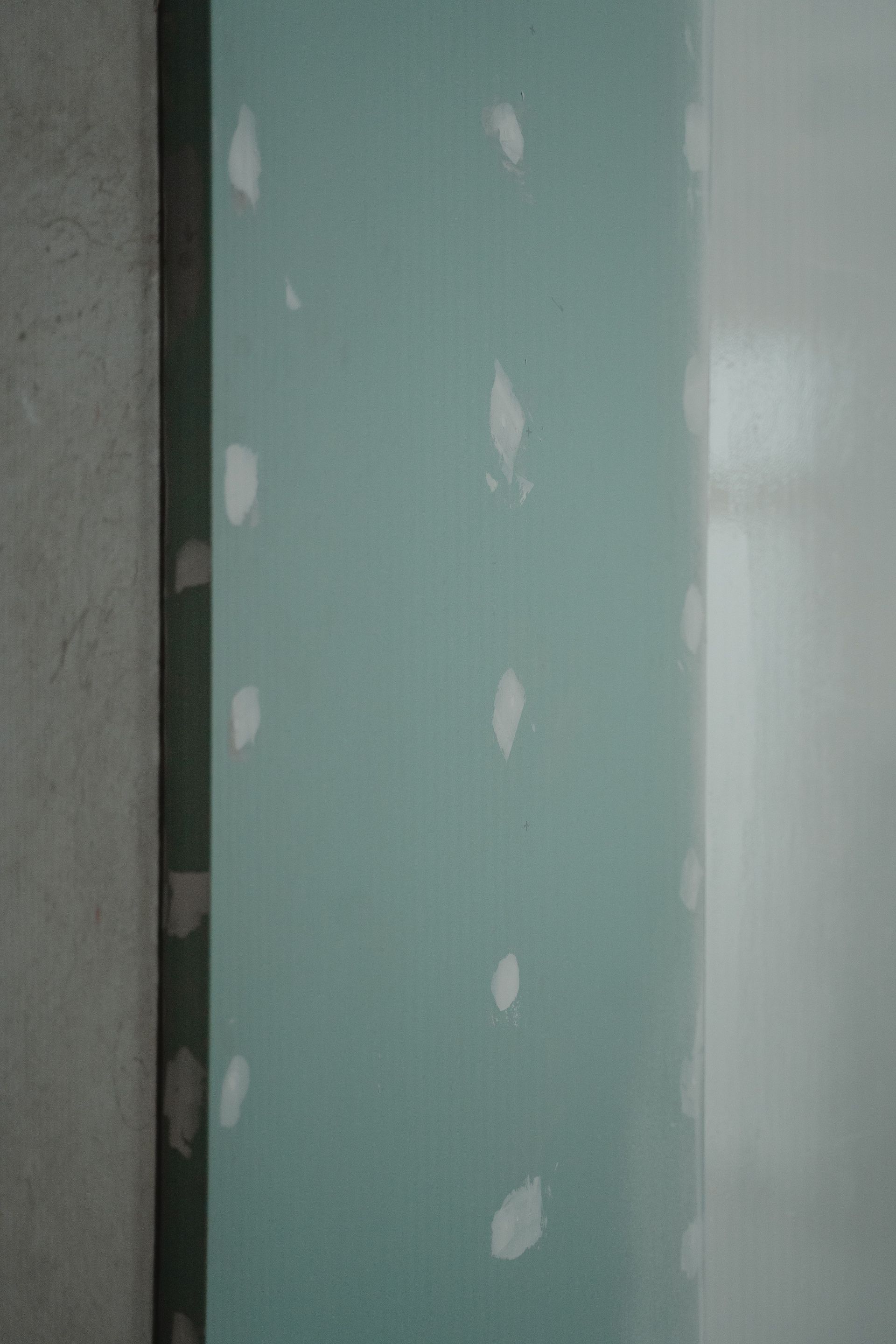
Not every damaged wall or ceiling needs new drywall. Small holes, cracks, dents, and other localized problems can often be addressed through professional drywall repair and patching. Other situations may call for removing the affected drywall and installing a new section.
The decision depends on the extent and condition of the damaged area. If the drywall is too compromised for a practical localized repair, replacement allows that section of the surface to be rebuilt before finishing begins.
At Varland Drywall Inc., we look at drywall replacement as more than removing an old panel and putting up a new one. The replacement section becomes part of an existing wall or ceiling. Its edges, seams, fasteners, finish, and potentially its texture all need to transition into the surrounding surface.
Our team has more than 35 years of drywall experience, and Varland Drywall Inc. has been established since 1994. We provide replacement along with the related hanging, finishing, taping, mudding, texture, and surface preparation services that may be needed to complete the drywall portion of the project.
One of the first questions with damaged drywall is whether the area can be patched or whether replacing a section makes more sense.
Repair or Replace? Understanding the Difference
One of the first questions with damaged drywall is whether the area can be patched or whether replacing a section makes more sense.
When Patching May Be Appropriate
A localized hole, crack, dent, or damaged spot may be suitable for drywall patch repair when the surrounding drywall remains appropriate for repair.
Patching focuses on rebuilding the damaged portion while retaining most of the existing wall or ceiling. For smaller localized problems, explore our Drywall Repair & Patching service.
When Replacement May Be More Appropriate
Replacement becomes relevant when the affected section is more extensively damaged or when removing compromised drywall provides a more suitable surface for restoration.
Rather than trying to build a repair over an area that is no longer suitable for a straightforward patch, the damaged section can be removed and replaced with new drywall. This does not necessarily mean replacing an entire room of drywall. Depending on the project, replacement may involve a specific affected section of a wall or ceiling.
The important distinction is that patching repairs existing drywall, while replacement introduces new drywall where the damaged material has been removed.
What Happens During Drywall Replacement?
Drywall replacement combines elements of removal, new drywall installation, and finishing. The exact scope depends on the project, but several stages are important to understand.
1. Identify the Affected Drywall
The damaged area first needs to be considered in relation to the surrounding surface. This helps determine the drywall section involved in the replacement work.
2. Remove the Damaged Section
Drywall that is being replaced must be removed so a new section can take its place. The scope of removal depends on the extent and location of the affected area.
3. Install New Drywall
New gypsum board is fitted into the replacement area to rebuild the wall or ceiling surface. This creates new edges and seams where the replacement drywall meets the existing material.
4. Finish the Transitions
The new section cannot simply be left with visible seams. The transitions between new and existing drywall move into taping, mudding, and other appropriate finishing stages.
5. Address the Existing Surface Finish
If the surrounding wall or ceiling is textured, the replacement may require texture matching or blending. Smooth surfaces may call for other finishing or surface preparation.
These finishing stages are important because the replacement section needs to function as part of the larger wall or ceiling rather than look like an isolated piece of new drywall.
Replacing Part of a Wall vs. an Entire Surface
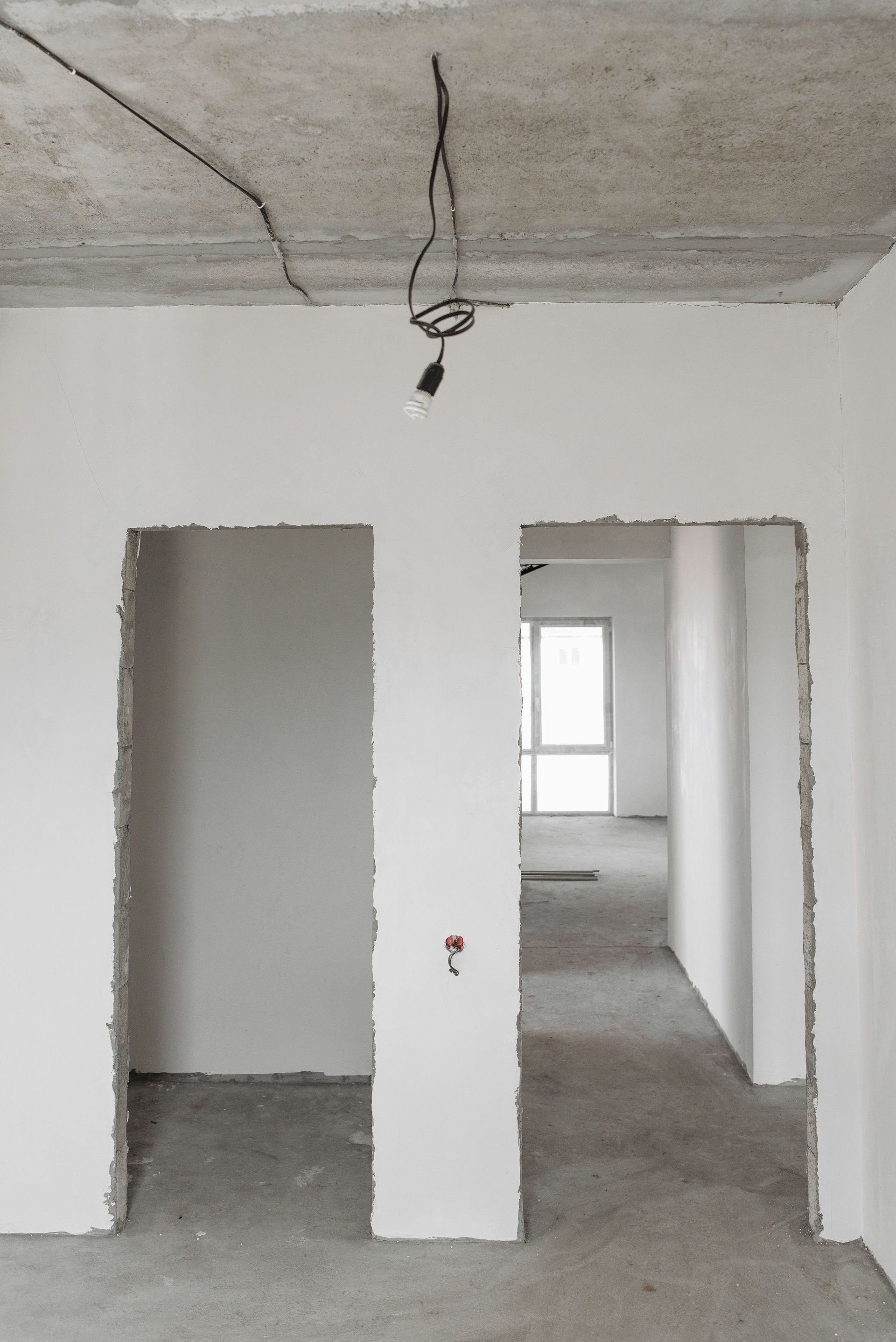
Homeowners sometimes hear “drywall replacement” and assume every sheet in the room needs to come down. That is not necessarily the case. Drywall replacement can be localized.
If damage affects one specific section, the work may focus on removing and rebuilding that area. The new drywall then needs to be integrated into the surrounding existing surface. Other projects can involve a larger portion of a wall or ceiling. Remodeling may also create situations where broader drywall replacement is part of rebuilding an interior.
The appropriate scope depends on what is happening with the existing drywall. Our goal is to match the drywall work to the project rather than assume every damaged area needs the same amount of replacement.
Replacement After Water-Related Drywall Damage
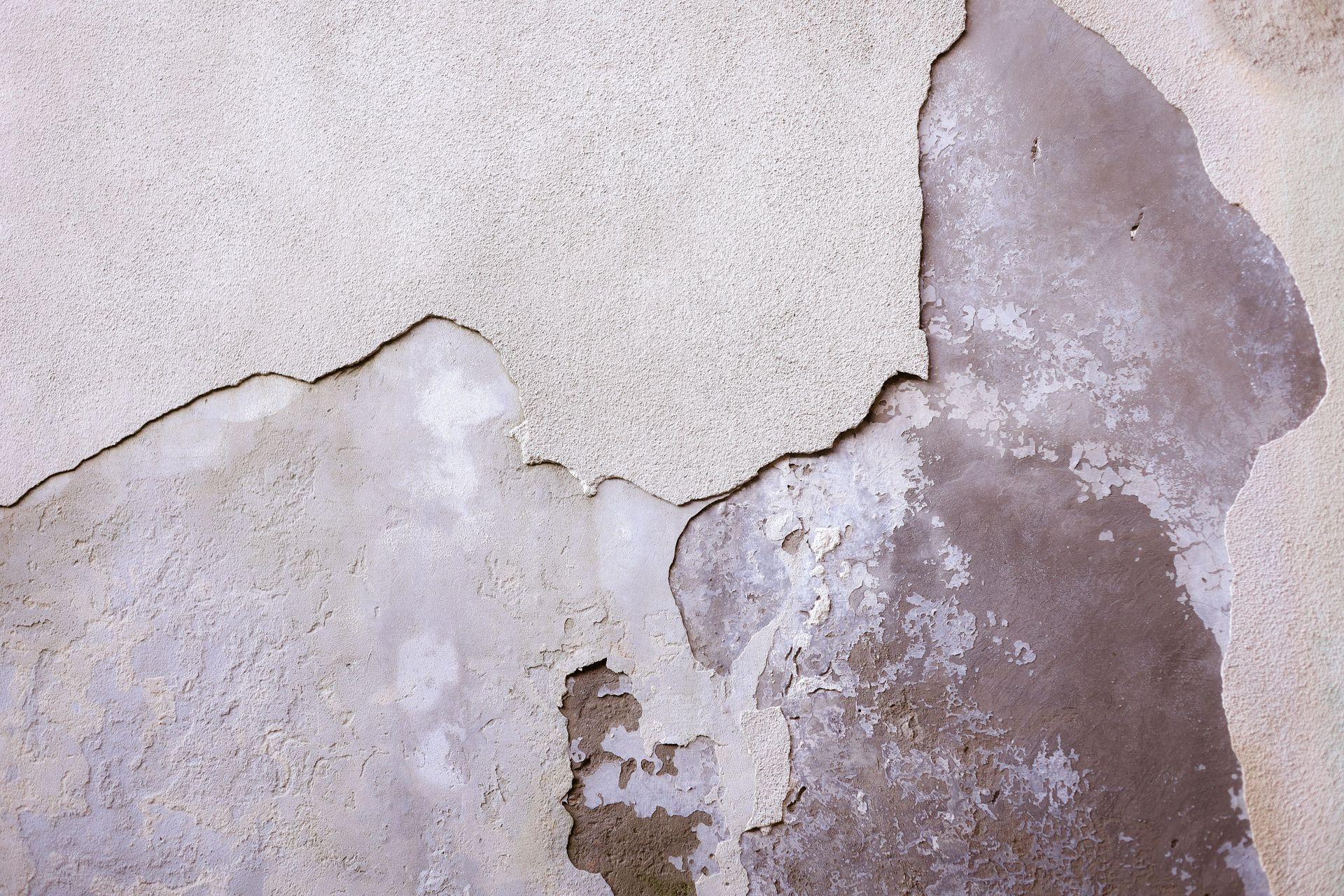
Water exposure can affect drywall in different ways. Some affected sections may require removal and replacement depending on their condition. Before drywall restoration begins, however, the underlying moisture source should be corrected.
Drywall replacement addresses the damaged wall or ceiling material; it does not correct the source of the water. Once the moisture issue has been addressed separately, the affected drywall can be considered for repair or replacement. If replacement is appropriate, damaged sections can be removed, new drywall installed, and the surface prepared for finishing.
Varland Drywall does not represent drywall replacement as water extraction, plumbing repair, mold remediation, or environmental testing. For projects specifically involving drywall affected by moisture, explore our Water-Damaged Drywall Repair service.
How New Drywall Blends Into an Existing Wall or Ceiling
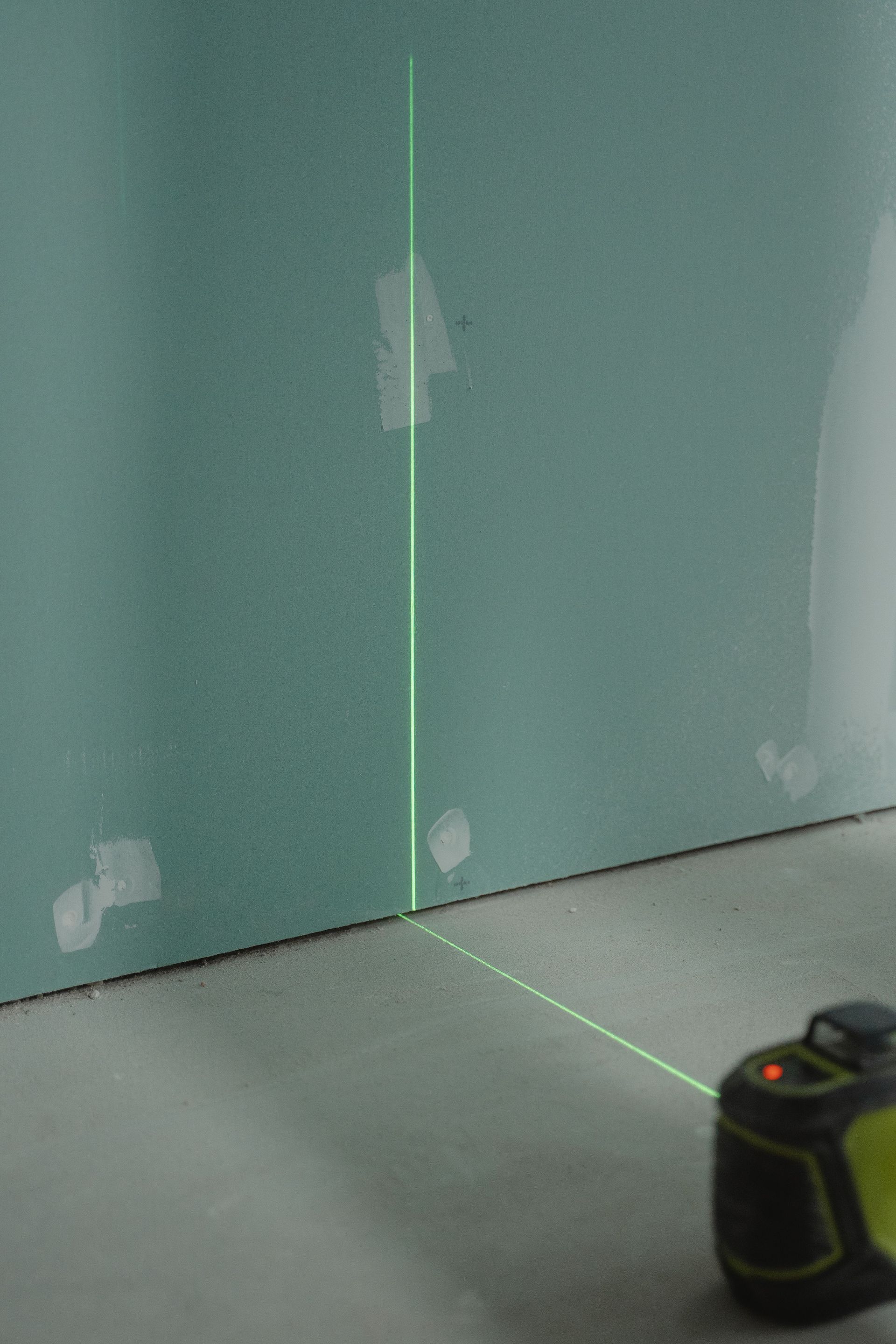
Replacing damaged drywall creates a new surface inside an existing one. That makes the transition between old and new material an important part of the project.
After the replacement drywall is installed, seams and fastener areas require finishing. Taping and joint compound help build the transitions between the replacement section and surrounding drywall. From there, the final surface may require sanding, texture matching, skim coating, or other appropriate finishing work.
Texture deserves particular attention. A replacement can remain noticeable if the new section is smooth while the surrounding wall has a visible texture pattern.
Varland Drywall provides Texture Matching & Custom Hand Textures for projects where the repaired or replaced area needs to transition into an existing textured surface.
Our finishing capabilities also include Taping & Mudding and Level 5 Finishing & Skim Coating for applicable project needs.
Common Projects That May Involve Drywall Replacement
If you are unsure whether your wall needs patching or replacement, you do not have to make that decision before contacting us.
Tell us about the damage and project location so we can discuss the drywall work involved.
Replacement can become part of many different residential projects, including:
- Extensively damaged sections of drywall
- Larger wall or ceiling repairs
- Drywall affected after a corrected moisture problem
- Remodeling projects that require sections to be rebuilt
- Areas where previous wall or ceiling work has been removed
- Damaged ceiling drywall
- Interior renovation projects involving new and existing drywall
- Sections where localized patching is not the appropriate repair approach
Why Professional Finishing Matters After Replacement
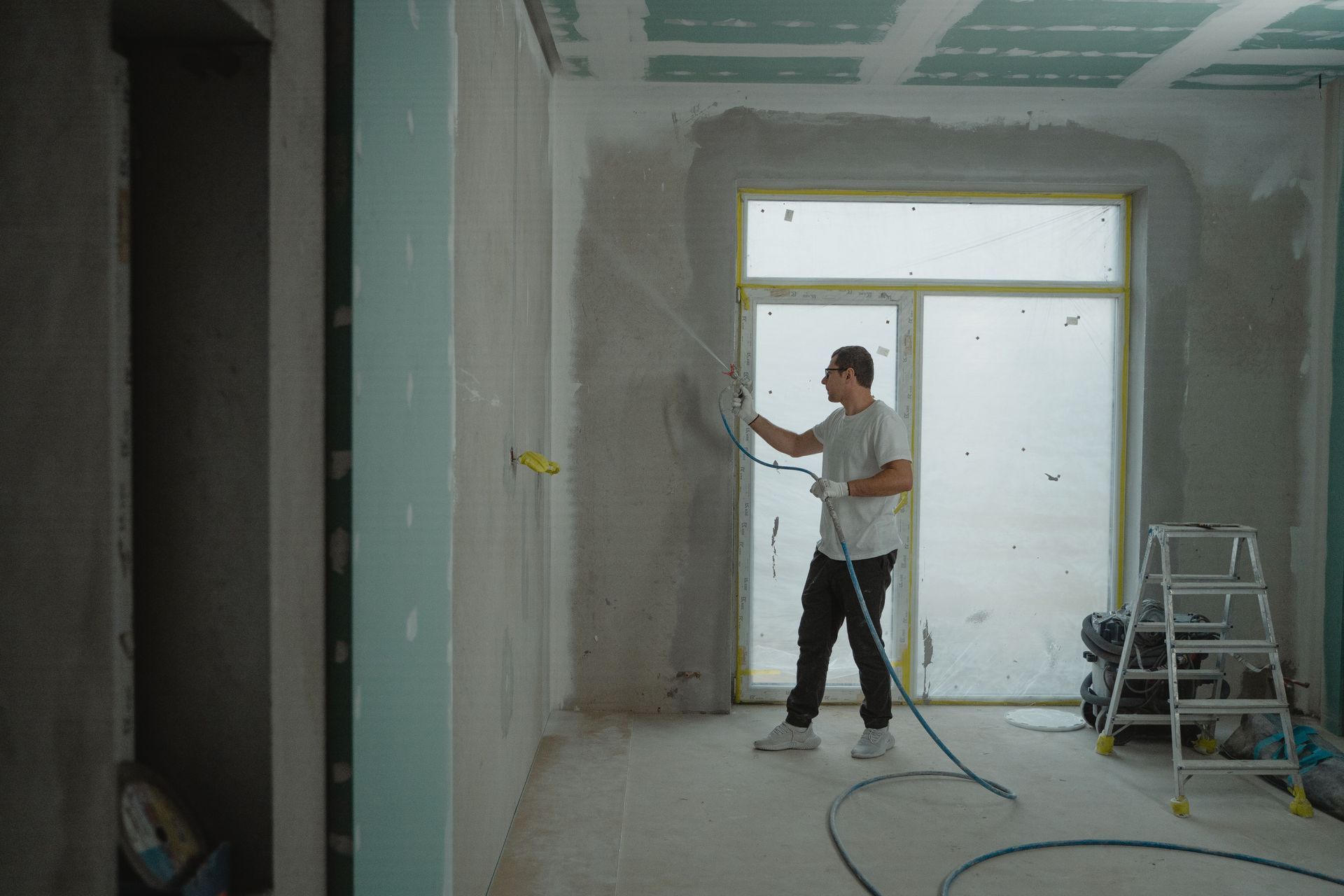
Installing the replacement piece is only part of restoring a wall or ceiling. Without proper finishing, the outline of the new section can remain visible.
Seams, compound buildup, surface differences, and mismatched textures may draw attention to the repaired area. The finishing process is what helps connect new drywall to the existing interior surface.
This is one advantage of working with a drywall contractor that handles both replacement and finishing-related services. Varland Drywall can support the project from the replacement section through taping, mudding, surface finishing, and texture work when those services are needed.
Why Choose Varland Drywall for Drywall Replacement?
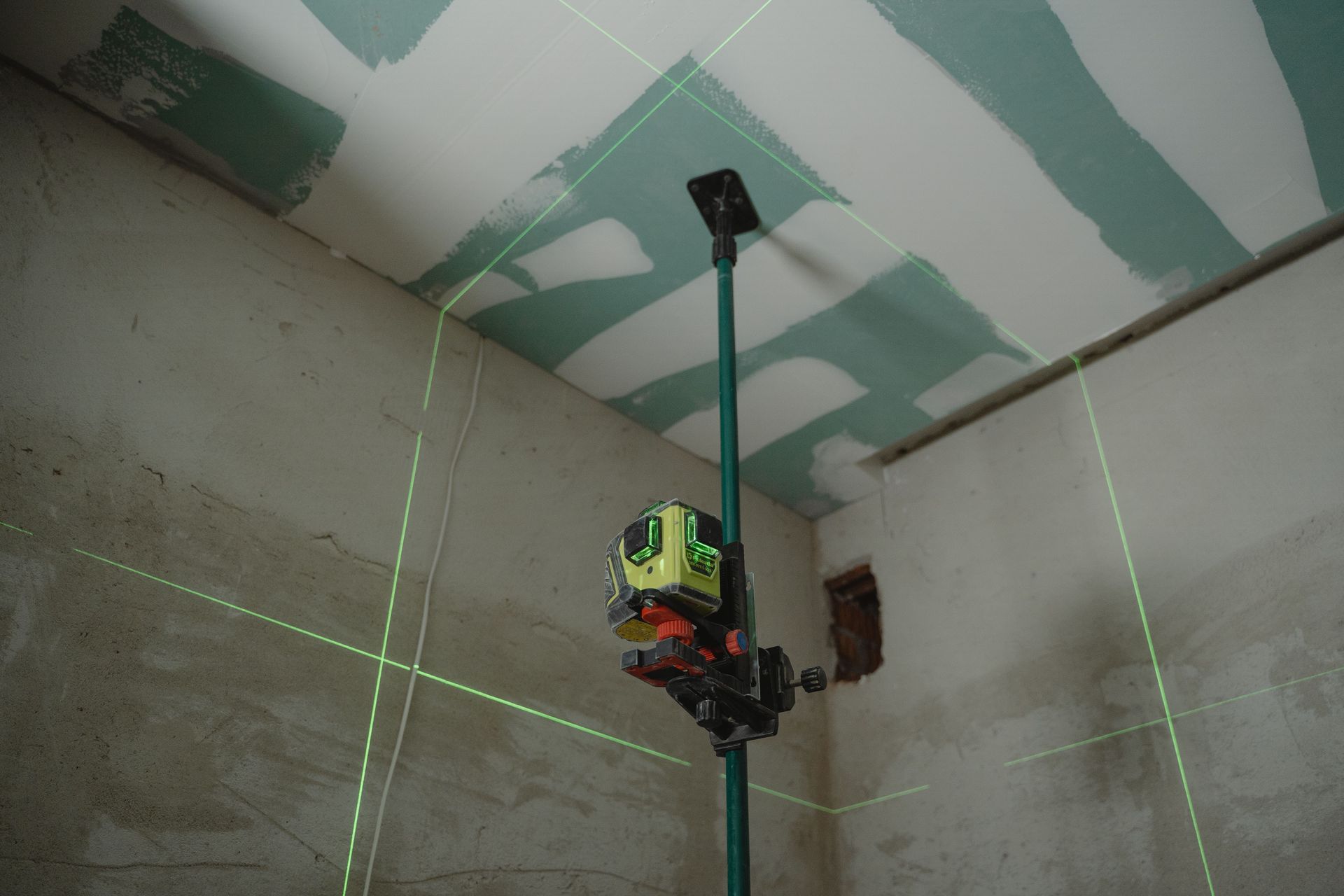
Replacement work requires experience with both existing drywall and new installation.
The new section needs to be installed while also considering how it will transition into the surrounding wall or ceiling. Varland Drywall Inc. has been established since 1994.
Our team brings more than 35 years of drywall experience to repair, replacement, installation, hanging, finishing, ceiling work, textures, plaster, and residential remodeling projects. Our broad capabilities are especially useful when a replacement project requires several connected services.
We can address the drywall section and provide related finishing or texture work based on the needs of the project. We serve an approximately 60-mile radius from the Twin Cities Metro Area, extending toward St. Cloud.
Primary service areas include North St. Paul, Maplewood, Oakdale, St. Paul, White Bear Lake, Woodbury, Roseville, Shoreview, Vadnais Heights, Lake Elmo, and surrounding communities.
Drywall Replacement FAQs
How do I know if drywall should be repaired or replaced?
Localized damage may be suitable for patching, while more extensive or compromised sections
may be better suited to replacement. The condition and extent of the affected drywall help
determine the appropriate approach.
Does drywall replacement mean replacing the entire wall?
Not necessarily. Replacement can involve a localized section of a wall or ceiling. The scope
depends on how much drywall needs to be removed and rebuilt.
Can you replace the ceiling drywall?
Yes. We provide drywall services for both walls and ceilings. Replacement may be appropriate
when an affected ceiling section requires removal and new drywall.
Can you finish the new drywall after replacement?
Yes. Our services include drywall hanging and finishing, taping and mudding, sanding, skim
coating, Level 5 finishing, and texture work based on project needs.
Can you match texture after replacing drywall?
Yes. We provide drywall texture matching, texture blending, and custom hand textures. This can
help the new section transition more naturally into an existing textured wall or ceiling.
Do you replace water-damaged drywall?
We provide drywall repair and replacement for affected wall and ceiling sections after the
underlying moisture source has been corrected. Our drywall service does not include water
extraction, plumbing repair, mold remediation, or environmental testing.
Replace Damaged Drywall With an Experienced Team
When a damaged section is no longer suited to a straightforward patch, drywall replacement can create a new foundation for restoring the wall or ceiling. Varland Drywall Inc. provides drywall replacement and related finishing services throughout the Twin Cities Metro Area and surrounding Minnesota communities. Tell us what is happening with your wall or ceiling, where the project is located, and the drywall work you need.
Email:
info@varlanddrywall.com
Business Hours: Monday–Friday, 8:00 AM–5:00 PM Saturday–Sunday: Closed