Plaster Repair & Restoration in the Twin Cities, MN
Cracks, damaged sections, and worn plaster surfaces do not always mean the entire wall or ceiling needs to be replaced. Varland Drywall Inc. provides plaster repair, patching, resurfacing, and restoration for residential interiors throughout the Twin Cities Metro Area and surrounding Minnesota communities.
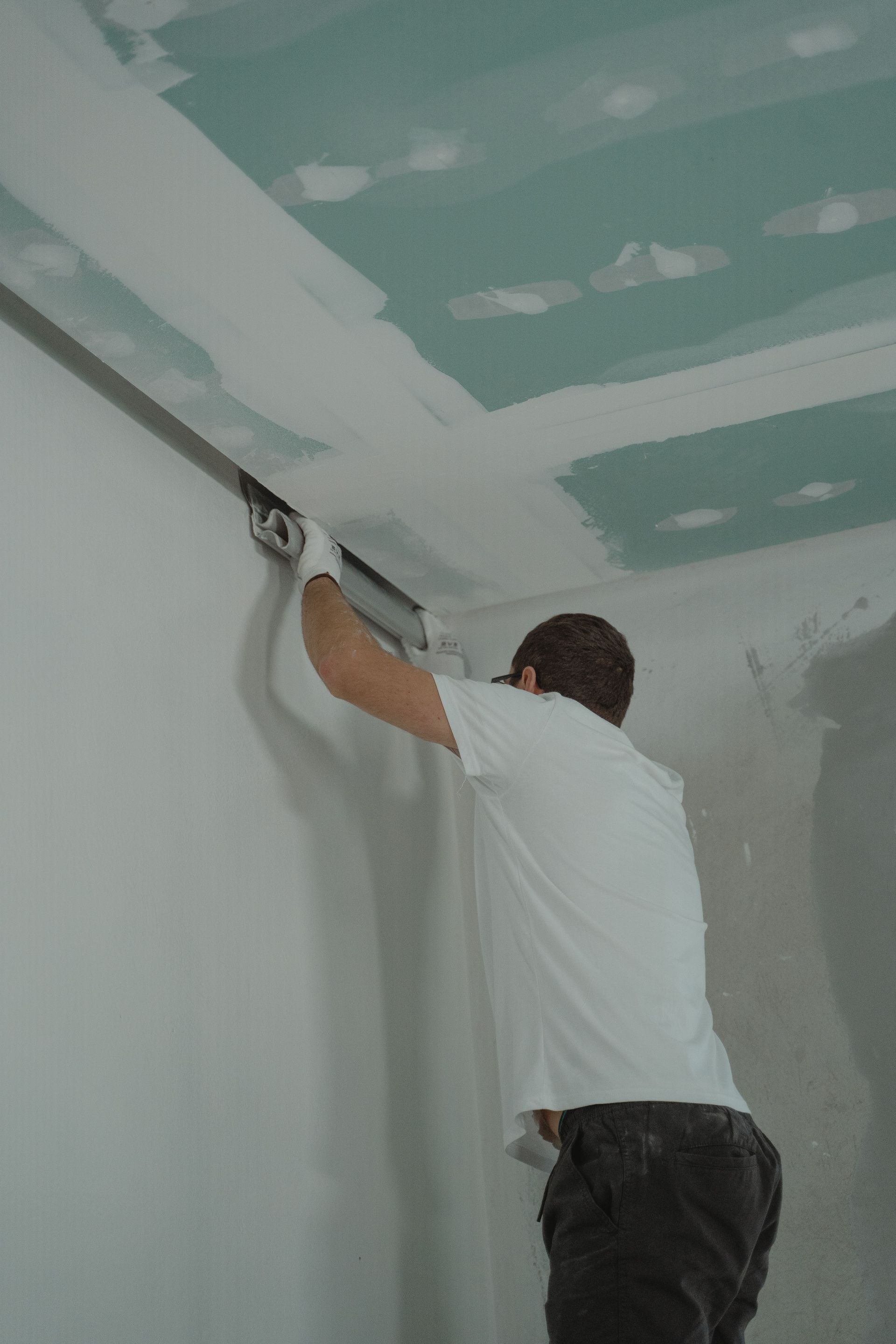
Plaster Repair Is Different From Drywall Repair
Plaster and drywall can both create finished interior walls and ceilings, but they are different surface systems. That distinction matters when damage needs to be repaired. Drywall typically consists of gypsum board installed in panels.
Repairs may involve patching an individual damaged area or replacing a section of board before the seams are finished. Existing plaster surfaces require a different evaluation. A plaster problem may involve a crack, localized damaged area, worn surface, or section that requires patching or resurfacing.
The condition of the plaster surrounding the damaged area is an important part of determining what repair work is appropriate. In some situations, preserving and repairing existing plaster may be practical. Other projects may require broader resurfacing or additional work to create a suitable finished surface.
At Varland Drywall Inc., we provide interior plaster repair with attention to both the damaged area and the surrounding wall or ceiling. Our team brings more than 35 years of drywall and interior finishing experience to residential projects, and Varland Drywall Inc. has been established since 1994.
One of the first questions with damaged drywall is whether the area can be patched or whether replacing a section makes more sense.
What Types of Plaster Damage Can Be Repaired?
Plaster problems can vary in appearance and extent. There is no single repair method that applies to every damaged surface.
Plaster Cracks
Cracks are among the most noticeable problems on plaster walls and ceilings.
Plaster crack repair begins with considering the condition of the affected area rather than simply covering the visible line. The surrounding plaster also matters because the repair needs to become part of the existing surface.
If an underlying structural or other non-surface issue is contributing to a crack, that separate cause may need to be addressed by an appropriate provider. Varland Drywall's scope focuses on the plaster and interior finishing work.
Localized Plaster Damage
A wall or ceiling can have a damaged section without requiring complete removal of the surrounding plaster.
When conditions are appropriate, plaster patch repair can focus on that localized area while retaining the existing surface around it.
Surface Deterioration and Uneven Areas
Some plaster projects involve broader surface concerns rather than one isolated crack or damaged spot.
Depending on the condition of the wall or ceiling, plaster resurfacing or related finishing may be considered to improve the surface across a wider area.
Plaster Ceiling Damage
Plaster ceilings can also develop cracks or damaged sections.
Because a ceiling forms a broad overhead surface, the transition between repaired and existing areas deserves careful attention. Lighting across the ceiling can make surface variations more noticeable.
Can Existing Plaster Be Preserved?
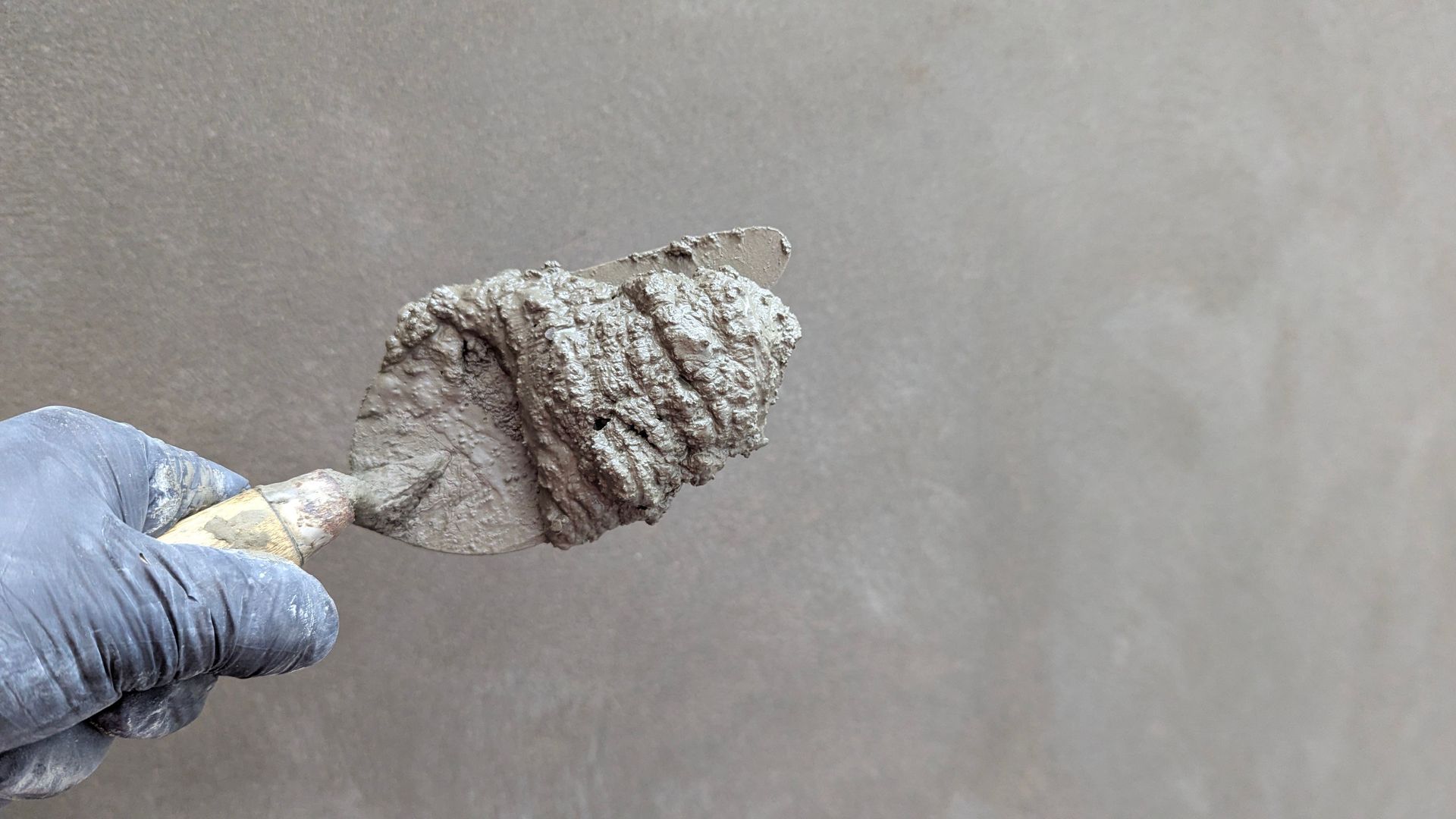
In appropriate situations, yes. One of the key questions in plaster restoration is whether the existing surface can remain while the damaged areas are repaired. Preserving usable plaster can allow the project to focus on the areas that actually need attention rather than automatically removing an entire wall or ceiling.
The condition of the surface determines what is practical. A localized crack or patch may call for targeted repair. A broader area with multiple surface variations may require more extensive plaster resurfacing. Other conditions may call for a different approach entirely.
The goal is to evaluate the existing surface and choose plaster work suited to its condition. We do not assume that every plaster problem requires complete replacement, just as we do not assume every damaged area can be solved with a small patch.
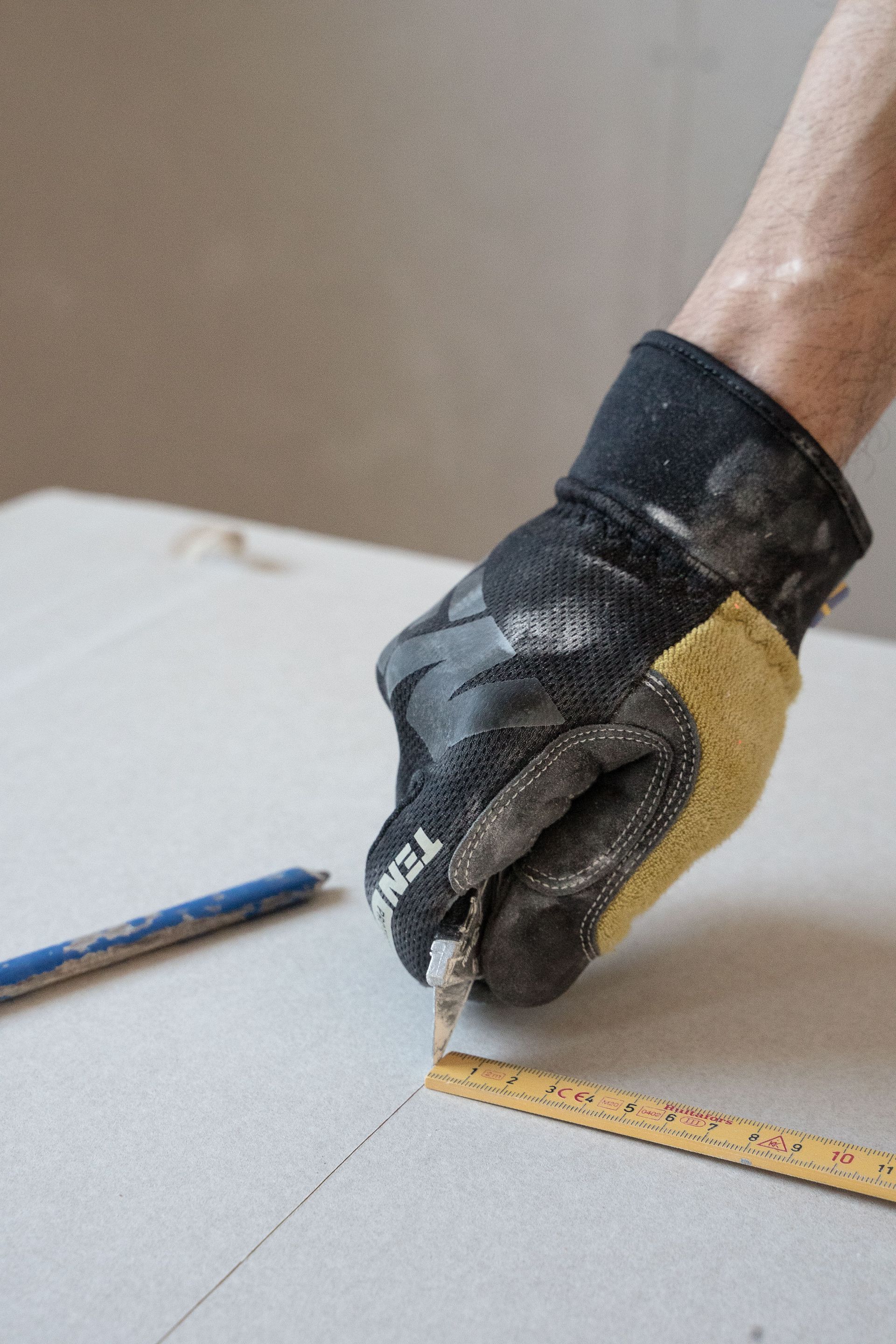
What Goes Into Plaster Crack and Patch Repair?
A lasting plaster repair involves more than hiding the visible damage at the surface. The affected area first needs to be considered in relation to the surrounding plaster.
Loose or compromised material in the repair area may need attention before the surface can be rebuilt. The repair can then focus on restoring the damaged section and transitioning it into the existing wall or ceiling. Depending on the project, this can involve patching, appropriate reinforcement, resurfacing, or additional finishing.
The resulting surface may also require further preparation before its next finish. This broader approach is important because a plaster repair that remains raised, recessed, or noticeably different from the surrounding surface can continue to draw attention even when the original damage has been covered.
When Is Plaster Reinforcement Appropriate?
Some plaster repairs may involve reinforcement as part of stabilizing and rebuilding an appropriate damaged area. Reinforcement is not a one-size-fits-all treatment, and not every plaster crack or patch requires the same approach.
The existing condition of the wall or ceiling helps determine whether reinforcement is relevant to the repair. When appropriate to the project, plaster wall reinforcement or plaster ceiling reinforcement can be considered as part of the surface repair process. This should also be distinguished from structural repair.
Varland Drywall's work focuses on plaster surfaces and interior finishing. We do not represent plaster reinforcement as correction of an underlying structural problem. If another condition is causing repeated movement or damage, that separate issue may need evaluation and correction outside the plaster repair scope.
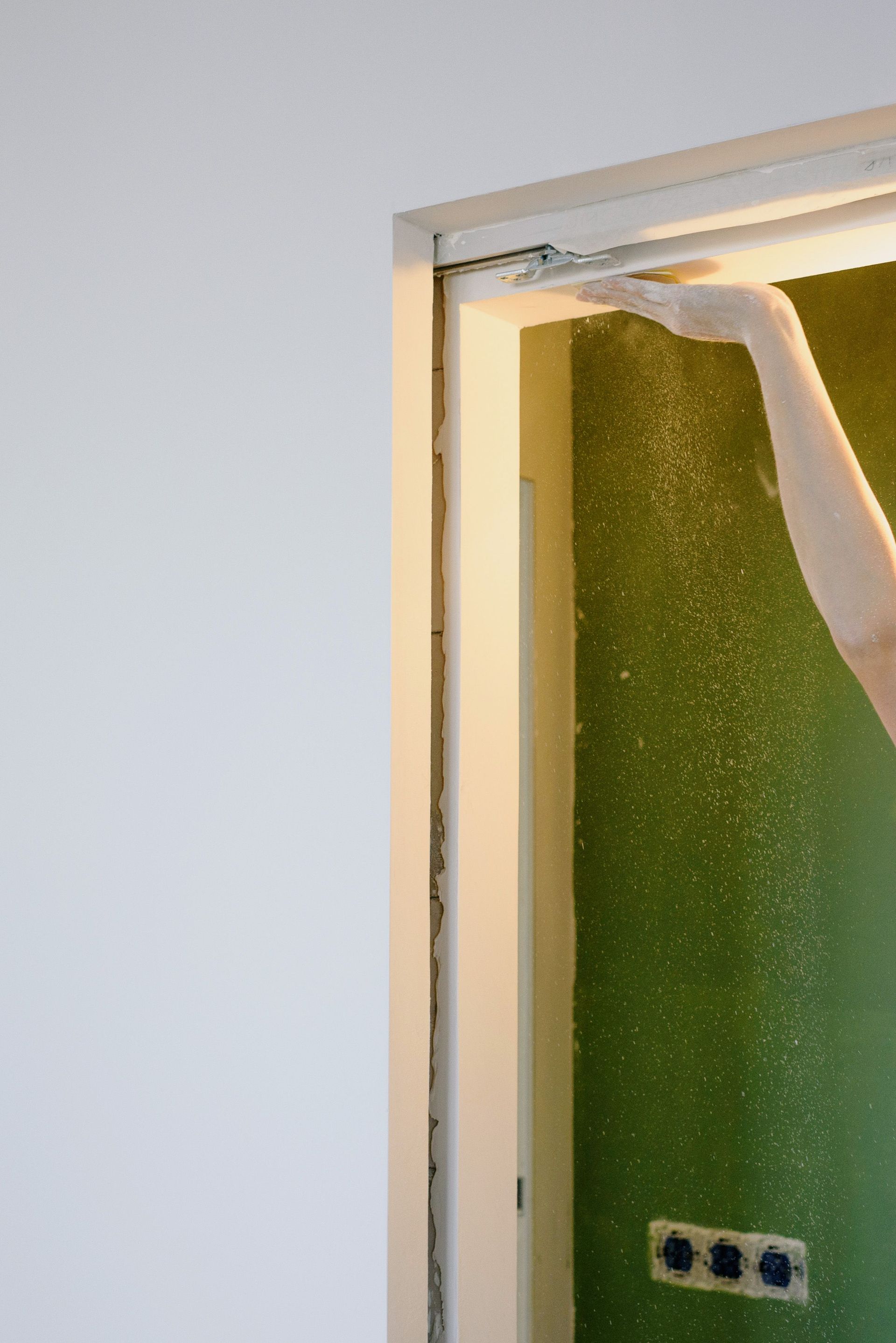
Plaster Resurfacing and Skim Coating
Sometimes the concern extends beyond one crack or patch. A plaster wall may have multiple repaired areas, broader surface variations, or an existing finish that needs more comprehensive preparation.
In appropriate situations, resurfacing can help address the wall or ceiling more broadly. Skim coating is one option that may be relevant when a smoother, more consistently prepared surface is desired. Instead of treating only one small repair, skim coating applies a thin finishing layer across a broader area.
The existing plaster still needs to be suitable for the planned work. Skim coating should not be treated as a way to ignore loose, damaged, or otherwise unresolved surface conditions. Where broader smooth-surface preparation is appropriate, explore our Level 5 Finishing & Skim Coating service.
One of the first questions with damaged drywall is whether the area can be patched or whether replacing a section makes more sense.
Repairing Plaster Walls vs. Plaster Ceilings
Plaster wall repair and plaster ceiling repair share some basic goals, but the surfaces are viewed differently.
Plaster Walls
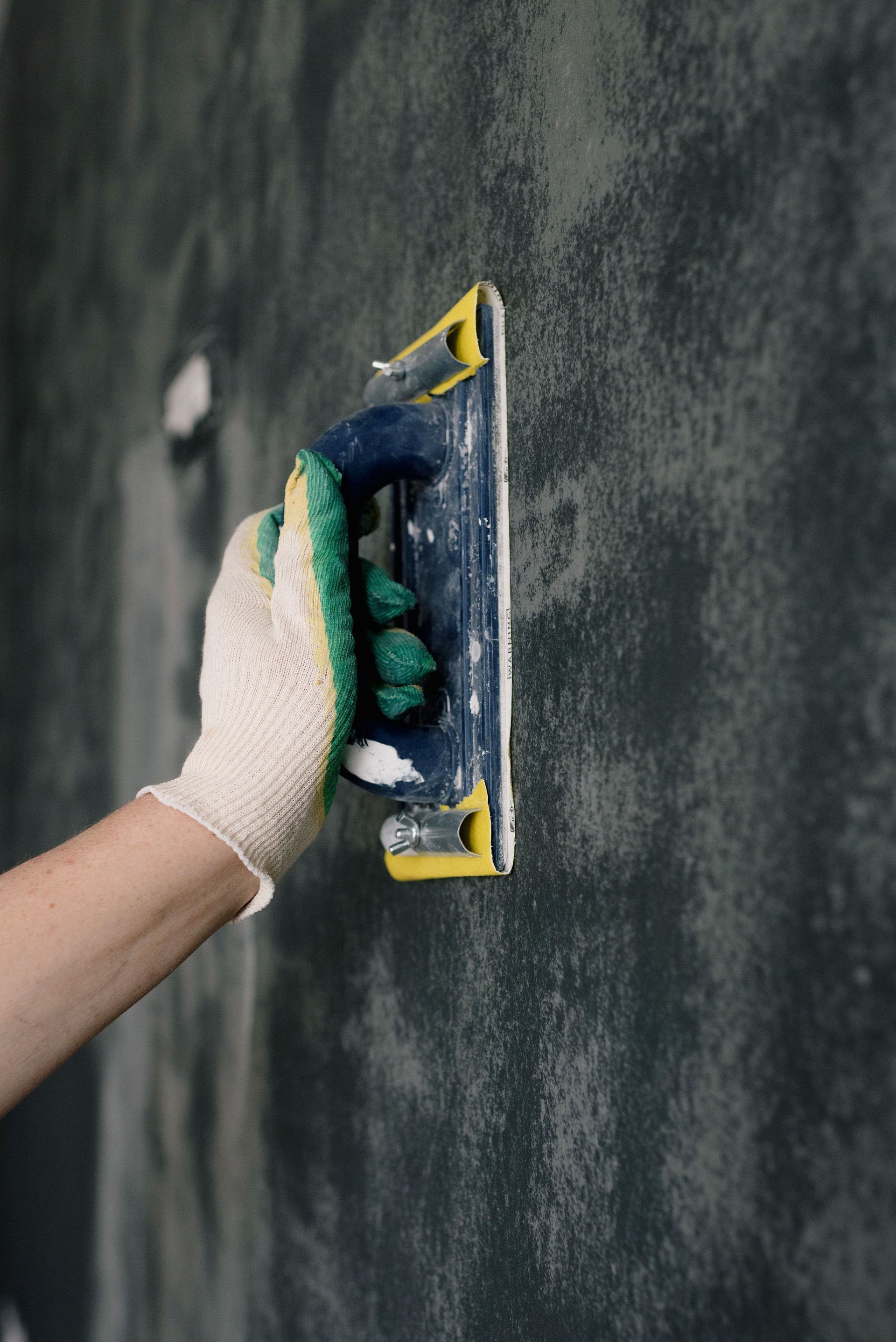
Wall repairs may involve cracks, patches, worn areas, or broader resurfacing. Because walls are seen at close range and from multiple directions, abrupt transitions can remain noticeable.
Plaster Ceilings
Ceiling repairs involve an overhead surface that may be visible across much of the room. Lighting can move across that surface and emphasize differences between repaired and existing areas. Ceiling work therefore needs to consider both the plaster damage and how the repaired section transitions into the surrounding finish. The appropriate repair depends on the condition of each surface rather than applying the same method to every plaster project.
Plaster Restoration During Remodeling
Existing plaster often becomes part of the conversation during an interior remodeling project. A homeowner may want to preserve some existing surfaces while other areas are being updated.
Openings or interior changes may also create locations where plaster needs patching or resurfacing. In these situations, plaster restoration can help connect existing surfaces with the updated interior. Some remodeling projects may also bring plaster and new drywall into the same room.
That creates additional transitions requiring thoughtful finishing. Varland Drywall provides both plaster repair and a full range of drywall services, including Drywall Installation, Drywall Repair & Patching, taping, mudding, skim coating, and texture work.
That range can be useful when a remodeling project involves both existing plaster and newer drywall surfaces.
Why Professional Plaster Repair Matters
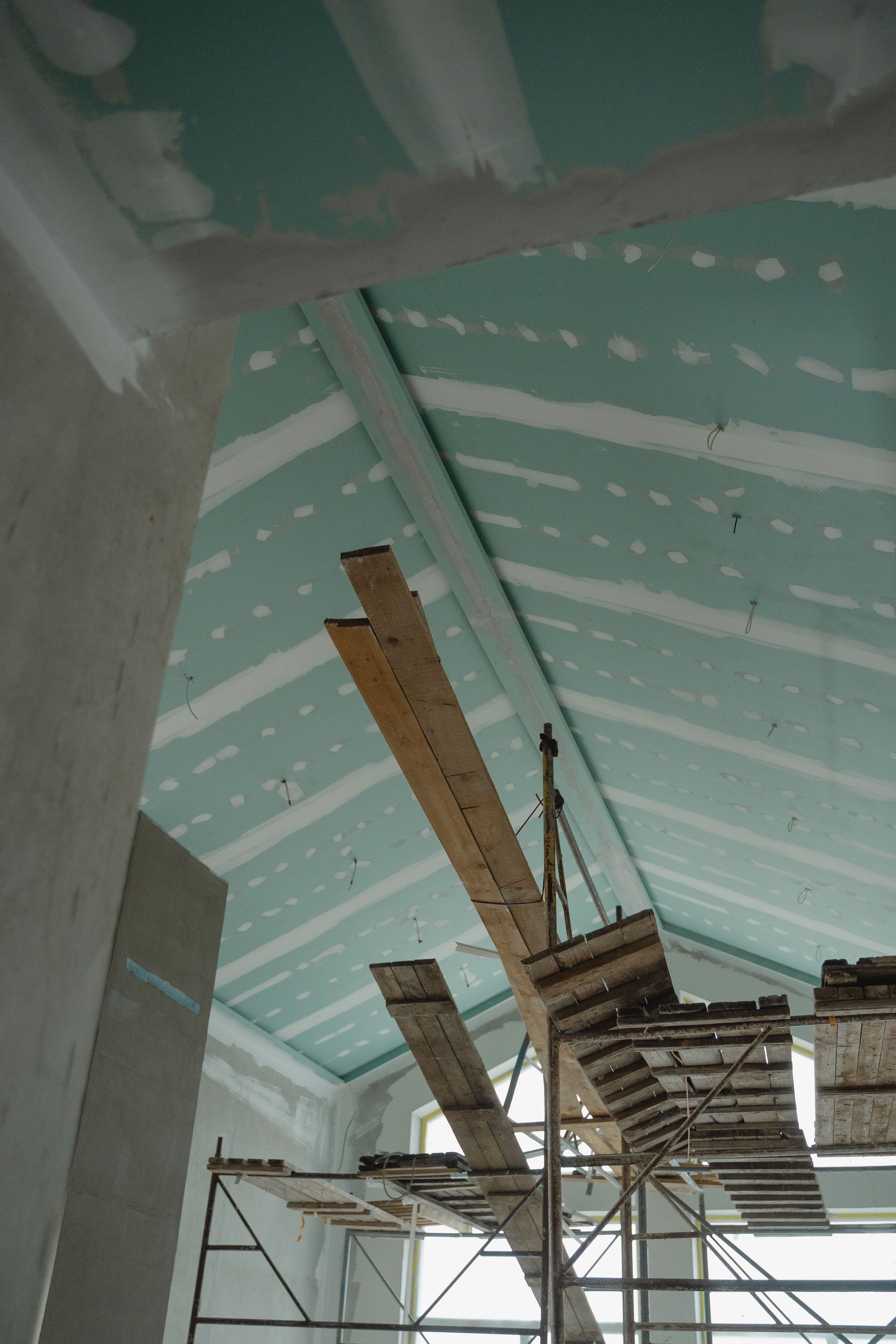
Plaster repair is not only about filling a crack. The surrounding surface, depth and extent of the damaged area, transitions around the repair, and desired final appearance all influence the work.
Professional plaster repair can help address:
- Cracks in plaster walls
- Cracks in plaster ceilings
- Localized damaged areas
- Plaster patches
- Appropriate reinforcement needs
- Broader surface variations
- Resurfacing needs
- Transitions created during remodeling
The objective is to work with the existing surface where practical and provide the repair or finishing approach appropriate to its condition.
Why Choose Varland Drywall for Plaster Repair?
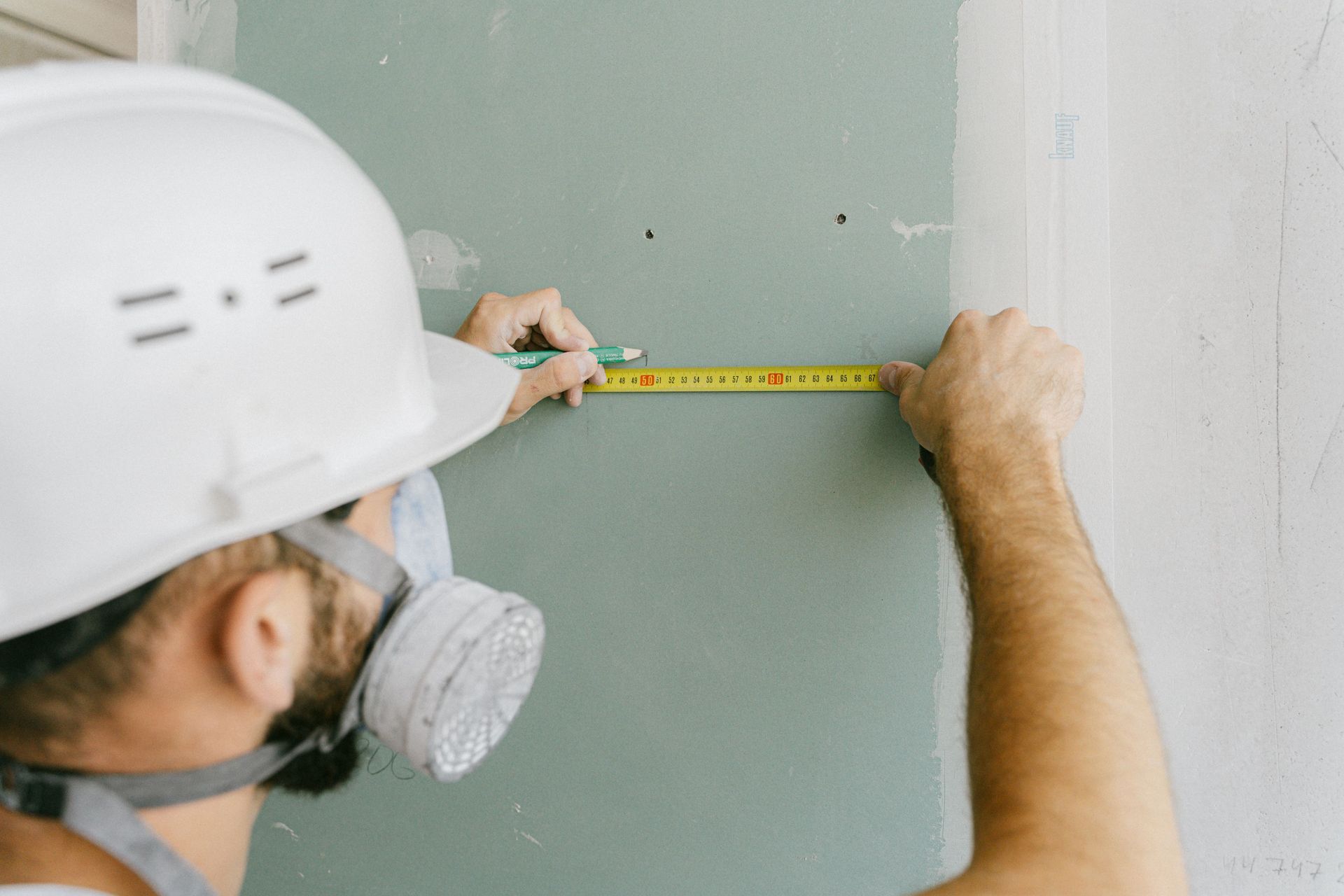
Plaster restoration can require experience with repair, surface preparation, and interior finishing rather than a single isolated patching step. Varland Drywall Inc. has been established since 1994.
Our team brings more than 35 years of experience to residential drywall and interior finishing projects. In addition to plaster wall and ceiling repair, our services include drywall repair, installation, replacement, taping and mudding, skim coating, texture matching, ceiling work, and remodeling drywall. This range is useful when an interior contains a combination of plaster, drywall, repaired sections, and surfaces that need broader finishing.
We serve an approximately 60-mile radius from the Twin Cities Metro Area, extending toward St. Cloud and surrounding communities. Primary service areas include North St. Paul, Maplewood, Oakdale, St. Paul, White Bear Lake, Woodbury, Roseville, Shoreview, Vadnais Heights, and Lake Elmo.
Plaster Repair & Restoration FAQs
Can cracked plaster be repaired?
Many plaster cracks can be addressed through appropriate surface repair. The condition of the
affected plaster and surrounding area helps determine the repair approach. If an underlying
non-surface issue is contributing to the crack, that issue may require separate attention.
Do you repair both plaster walls and ceilings?
Yes. We provide interior plaster repair for both residential walls and ceilings, including crack
repair, patching, resurfacing, and appropriate related finishing.
Does damaged plaster always need to be removed?
No. In appropriate situations, existing plaster can remain while localized damaged areas are
repaired. More extensive surface conditions may require broader work.
What is plaster resurfacing?
Plaster resurfacing addresses a broader surface rather than only one small crack or patch.
Depending on the project, it may involve additional surface preparation or skim coating to create
a more consistently prepared finish.
Can plaster repairs be reinforced?
Reinforcement may be appropriate for some plaster repairs depending on the existing surface
condition. This type of surface reinforcement should not be confused with correction of an
underlying structural issue.
Can you skim coat an existing plaster surface?
Skim coating may be appropriate for some existing plaster surfaces when broader resurfacing
or smooth-surface preparation is desired. The existing condition should be considered before
the finishing approach is determined.
Restore Your Existing Plaster Surfaces
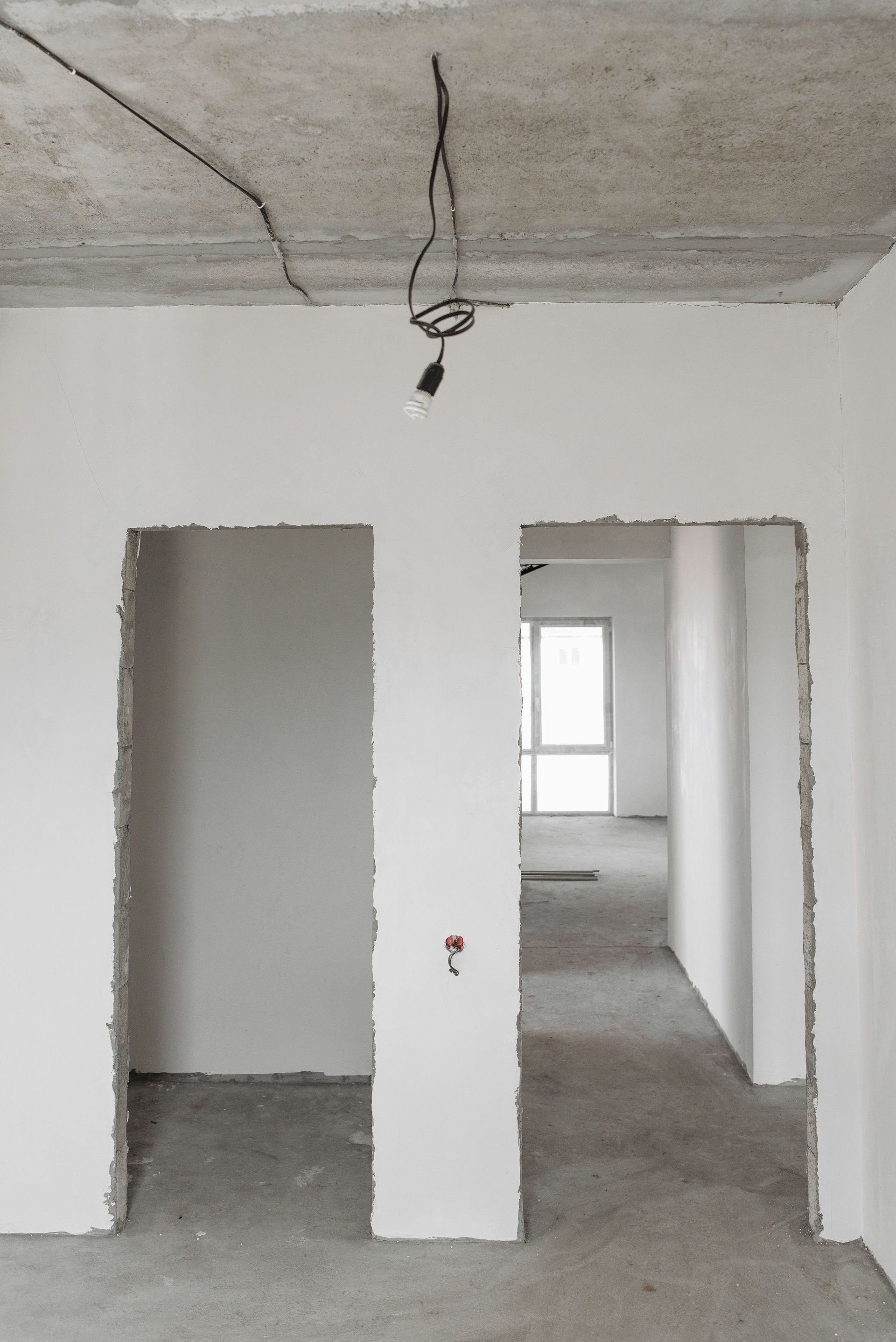
Cracked or damaged plaster does not automatically mean you need to replace every existing wall or ceiling. The right approach may involve localized patching, crack repair, appropriate reinforcement, resurfacing, or broader finishing based on the condition of the surface.
Varland Drywall Inc. provides plaster repair and restoration throughout the Twin Cities Metro Area and surrounding Minnesota communities. Tell us about the condition of your plaster wall or ceiling and the areas you would like repaired.
Email:
info@varlanddrywall.com
Business Hours: Monday–Friday, 8:00 AM–5:00 PM Saturday–Sunday: Closed