Drywall Hanging & Finishing in the Twin Cities, MN
A finished wall starts long before the final surface is ready for paint or texture. Varland Drywall Inc. provides professional drywall hanging and finishing for residential projects throughout the Twin Cities Metro Area and surrounding Minnesota communities.
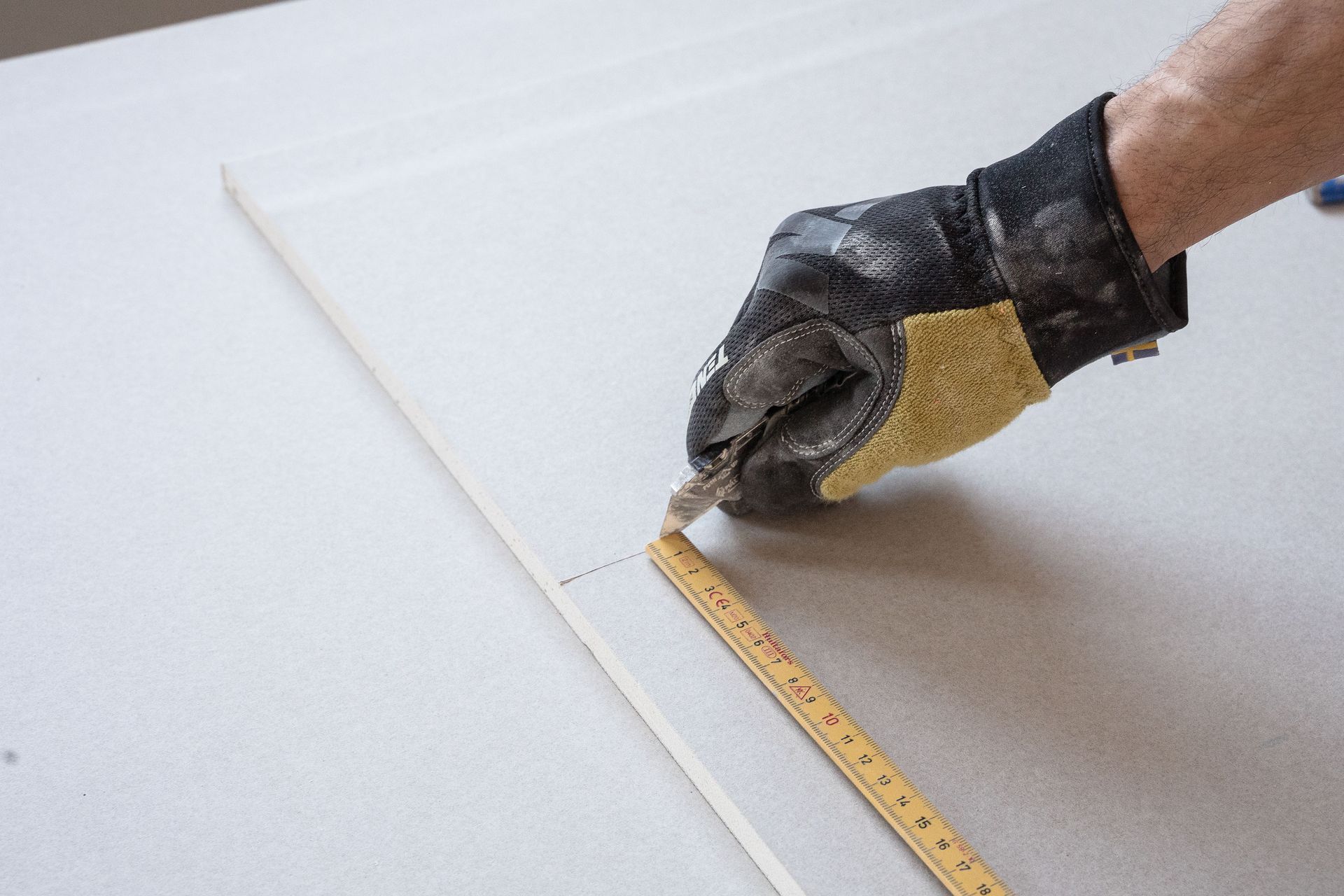
From Individual Drywall Panels to a Finished Surface
When drywall is first hung, you can still see where individual panels meet. Seams, fasteners, corners, and transitions remain visible. Drywall finishing is what turns those separate sheets into a more continuous wall or ceiling surface. That makes hanging and finishing closely connected.
Drywall hanging establishes the layout and basic surface. Finishing then addresses the joints and other visible areas created during installation. The quality of both stages contributes to what you eventually see after the surface receives its final treatment.
At Varland Drywall Inc., we provide drywall hanging and finishing for remodeling projects, basements, garages, additions, ceilings, and other residential interiors. Our capabilities also include taping and mudding, sanding, skim coating, Level 5 finishing, texture matching, and custom hand textures when those services fit the project.
Varland Drywall Inc. was established in 1994, and our team brings more than 35 years of drywall experience to residential wall and ceiling projects.
What Is Drywall Hanging?
Drywall hanging is the stage where gypsum board or sheetrock is installed to form new wall and ceiling surfaces. Individual panels are positioned across the areas receiving drywall and secured in place.
As those sheets come together, they create joints that will later become part of the finishing work. Corners, openings, adjoining surfaces, and other transitions also influence how the drywall comes together. Hanging is therefore more than covering an area with panels.
The installed drywall needs to provide a suitable foundation for the finishing stages that follow. This connection is one reason homeowners may benefit from considering hanging and finishing as parts of the same overall drywall project.
For a deeper look at projects requiring new gypsum boards, visit our Drywall Installation service page.
What Does Drywall Finishing Do?
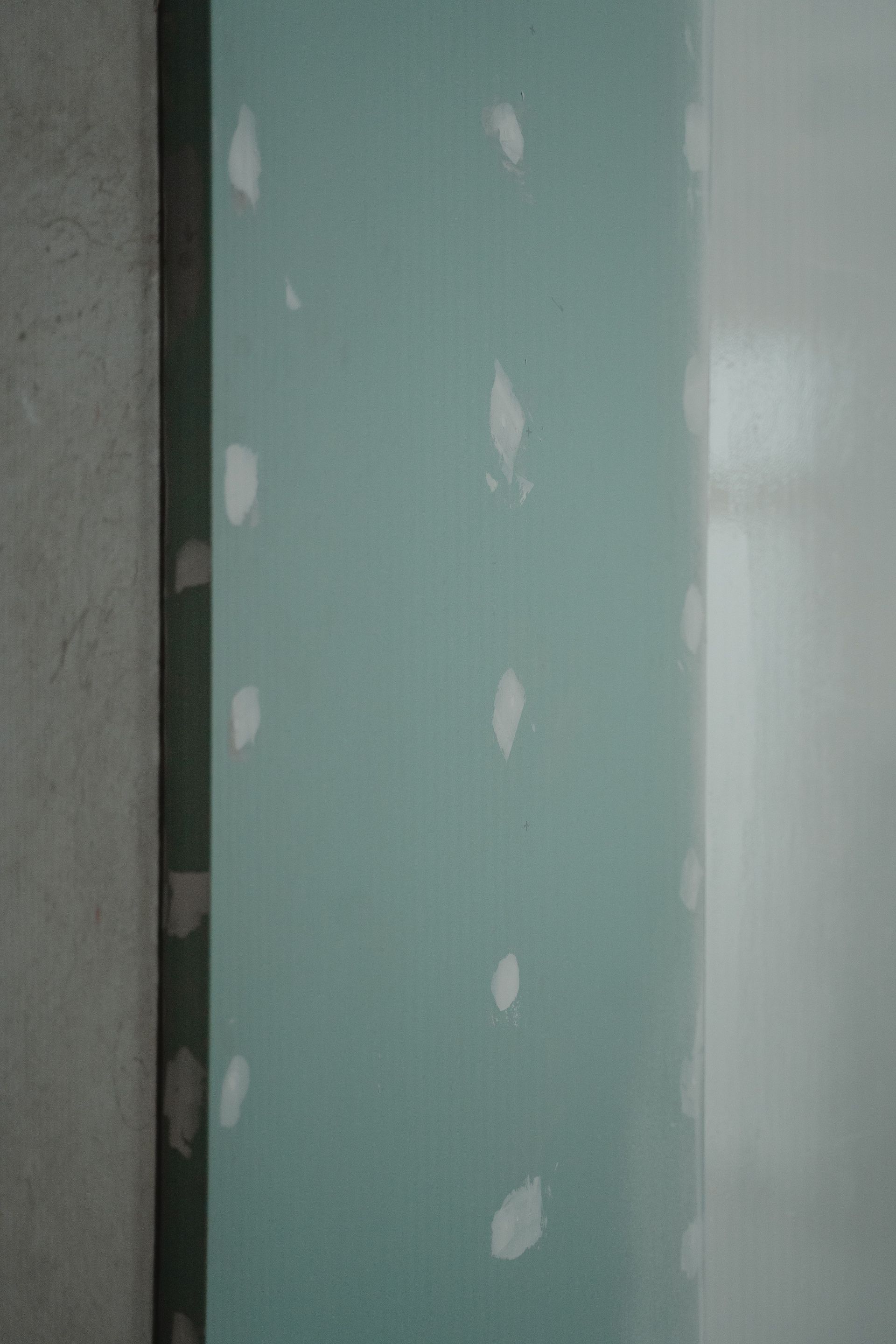
Drywall finishing addresses the visible joints, fasteners, corners, and transitions left after panels have been hung. Without finishing, the outlines of individual drywall sheets remain obvious. The goal of the finishing process is to build and smooth those areas so the surface becomes more uniform.
Drywall finishing is not simply cosmetic cleanup at the end of installation. It is the stage that helps transform installed gypsum boards into the wall or ceiling surface that will become part of the finished room.
Depending on the project, finishing may involve:
- Treating seams between drywall panels
- Addressing fastener areas
- Finishing inside or outside corners
- Applying joint compound
- Building and smoothing transitions
- Sanding appropriate areas
- Preparing the surface for texture or another finish
One of the first questions with damaged drywall is whether the area can be patched or whether replacing a section makes more sense.
Why Seams, Fasteners, and Corners Matter
Some of the most important drywall finishing work happens in areas homeowners may barely notice when the project is complete. That is the point.
Seams Between Panels
Every place where two sheets meet creates a joint. These joints need finishing so the individual panels do not remain visually separated.
Taping and joint compound help build the transition across the seam. Additional finishing helps smooth that transition into the surrounding drywall.
Fastener Areas
treated so they become part of the surrounding surface rather than remaining visible points across the wall or ceiling.
Inside and Outside Corners
Corners are highly visible architectural transitions. Their finishing requires attention because they connect separate drywall surfaces and can affect how clean the room looks once the work is complete.
Existing-to-New Transitions
Remodeling projects may involve new drywall meeting existing walls or ceilings. These transitions can require additional attention because the new work must connect with an already established surface.
How Drywall Hanging and Finishing Work Together
A smooth finished surface is the result of connected stages rather than one final application. The hanging stage establishes the drywall surface and determines where panels, seams, corners, and transitions occur. Once the drywall is secured, those areas move into the finishing process.
Taping helps address joints between panels. Joint compound, often referred to as mud, is used as those joints and other areas are built and smoothed. Drying between applications is an important part of the finishing sequence because the compound needs to be ready before subsequent finishing work continues. Sanding and additional surface preparation help refine appropriate areas after the compound work.
The intended final appearance also matters. A wall receiving texture may have different surface expectations than a project designed around a very smooth finish. For a detailed explanation of joint finishing, visit our Taping & Mudding service page.
Standard Finishing vs. a Higher-End Smooth Surface
Not every drywall project requires the same finished appearance. Many residential walls and ceilings move through conventional hanging and finishing before receiving their intended texture or finish.
Other projects place greater emphasis on achieving an especially smooth surface. Lighting can influence how a finished wall looks. Light moving across a broad surface may make variations more noticeable.
Design choices that call for smooth walls can also place more visual emphasis on the drywall finish. For applicable projects where a more uniform smooth surface is desired, Varland Drywall also provides Level 5 Finishing & Skim Coating.
The appropriate finishing approach depends on the project and desired surface. We do not assume that every room requires the same level of finishing work.
Where Hanging & Finishing Services Are Used
Drywall hanging and finishing can be part of many residential projects.
Basement Finishing
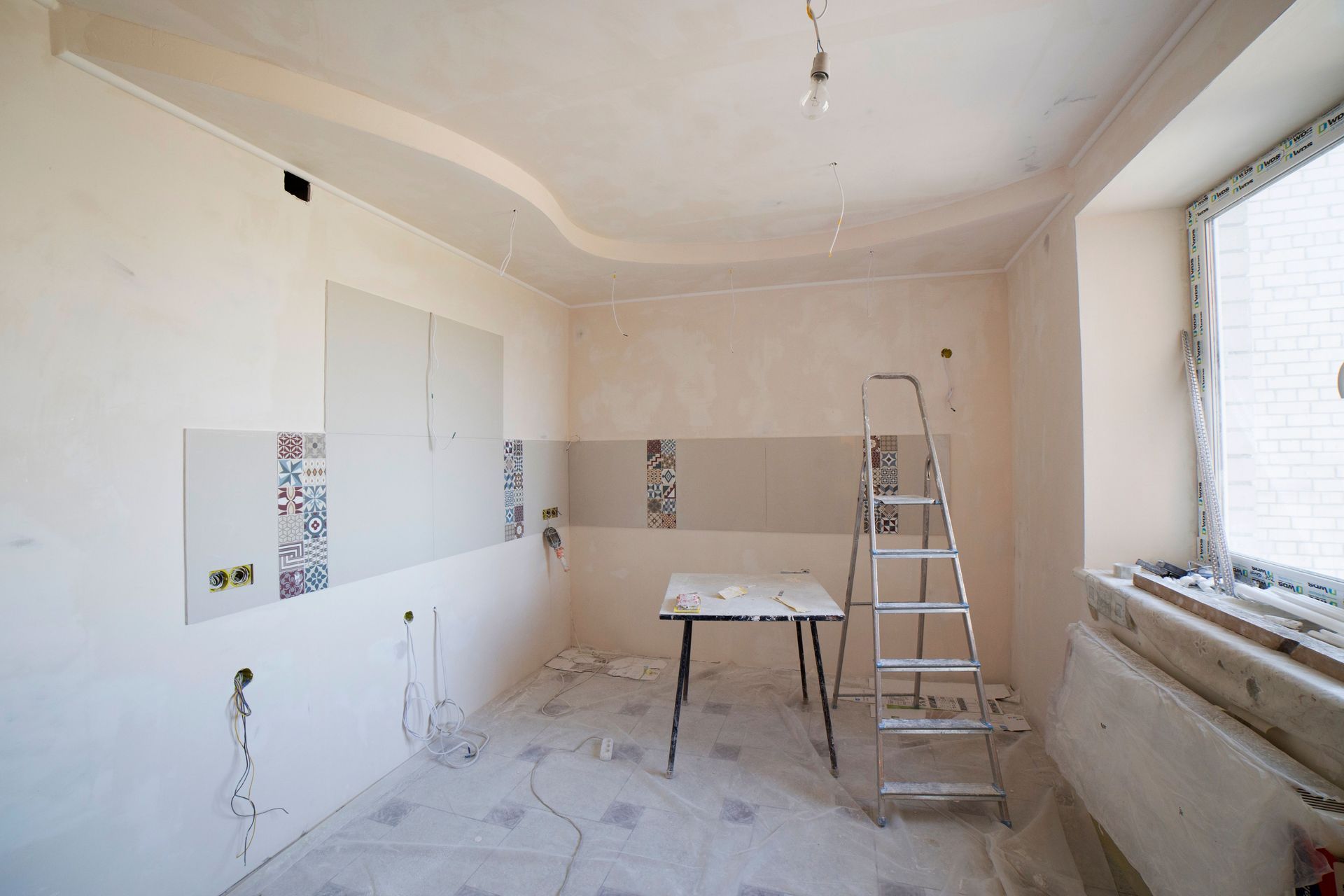
An unfinished basement may need drywall hung across new wall and ceiling areas before the seams, corners, and fasteners can be finished.
Home Remodeling
Renovations can create new walls or replace existing interior surfaces. Hanging and finishing help bring those new drywall areas into the remodeled room.
Garage Interiors
Garage projects may require new drywall surfaces along with the finishing needed to complete the drywall portion of the project.
Additions and New Interior Spaces
Newly created rooms require wall and ceiling surfaces. Hanging establishes those surfaces, while finishing prepares them for their intended final appearance.
Ceiling Projects
Ceilings also require careful hanging and finishing. Their broad overhead surfaces can make seams and other variations noticeable, particularly under certain lighting conditions.
Why Professional Drywall Finishing Matters
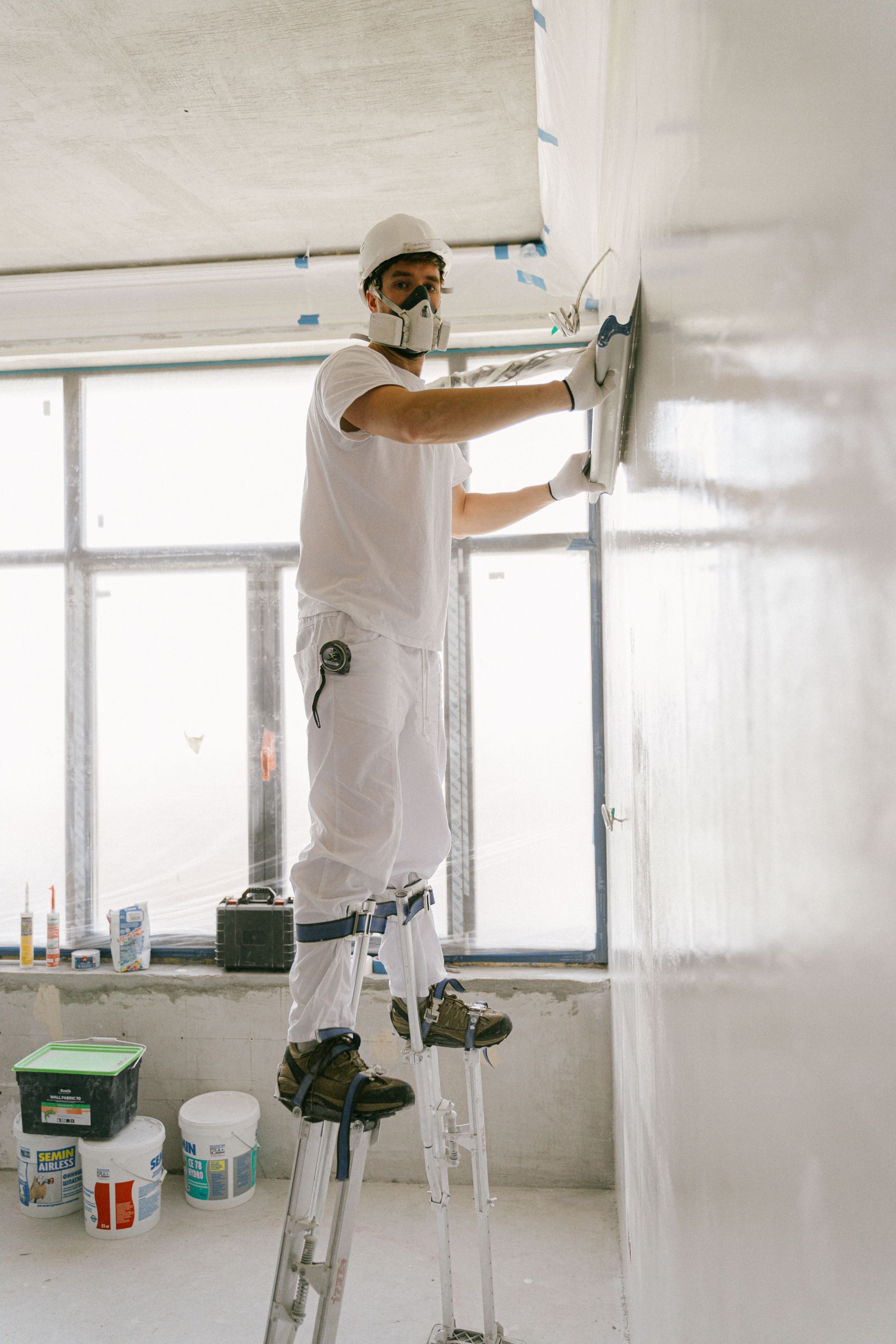
A drywall project can have panels securely installed and still look unfinished if seams, corners, and transitions remain noticeable.
Professional hanging and finishing help create:
- More consistent wall and ceiling surfaces
- Smoother transitions between drywall sheets
- Properly finished fastener areas
- Cleaner-looking corners and transitions
- A suitable foundation for texture or smooth finishing
- Better continuity between installation and later finishing stages
The goal is not simply to hide joints. It is to prepare the entire drywall surface for the appearance the project requires.
Why Choose Varland Drywall for Hanging & Finishing?
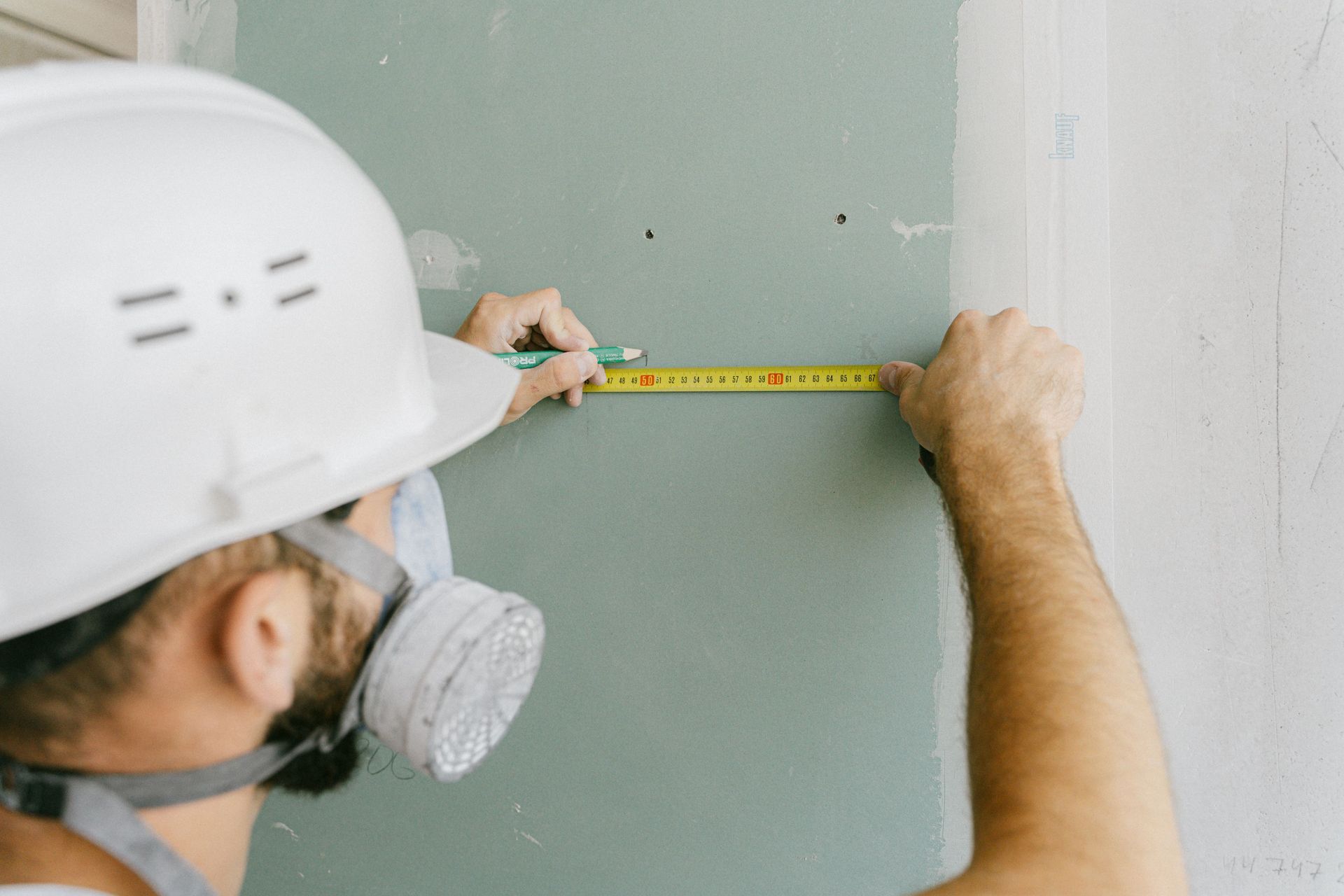
Drywall hanging and finishing benefit from experience across the entire drywall process. Varland Drywall Inc. has been established since 1994. Our team brings more than 35 years of experience to drywall installation, hanging, finishing, repairs, ceilings, textures, skim coating, plaster work, and remodeling projects.
Because we handle connected drywall services, we can support projects that require more than hanging alone. Depending on your needs, our work can extend into taping and mudding, sanding, Level 5 finishing, skim coating, or texture services.
We serve an approximately 60-mile radius from the Twin Cities Metro Area, extending toward St. Cloud and surrounding communities.
Primary areas include North St. Paul, Maplewood, Oakdale, St. Paul, White Bear Lake, Woodbury, Roseville, Shoreview, Vadnais Heights, and Lake Elmo.
Drywall Hanging & Finishing FAQs
What is the difference between hanging and finishing drywall?
Hanging installs the gypsum board that forms the wall or ceiling. Finishing addresses the
seams, fasteners, corners, and transitions so the individual panels become a more uniform
surface.
Does drywall need to be finished after it is hung?
Installed drywall still has visible joints, fasteners, and other transitions. Finishing addresses
these areas and prepares the surface for its intended next stage.
Do you hang and finish both walls and ceilings?
Yes. We provide drywall services for residential walls and ceilings, including hanging and
finishing as appropriate to the project.
Is taping and mudding part of drywall finishing?
Yes. Taping and mudding are key parts of the drywall finishing process. We provide a dedicated
Taping & Mudding service for projects requiring joint finishing.
Do all drywall projects need Level 5 finishing?
No. The appropriate finish depends on the project and desired surface. For projects where an
especially smooth and uniform finish is appropriate, we provide Level 5 Finishing & Skim
Coating.
Can you add texture after drywall finishing?
Yes. We provide texture matching and custom hand texture services for applicable walls and
ceilings after the surface has received the necessary preparation.
Get Your Walls and Ceilings Ready for the Next Stage
Drywall hanging creates the surface, while professional finishing brings the seams, fasteners, corners, and transitions together. When both stages receive proper attention, the drywall is better prepared for the final appearance your interior requires.
Varland Drywall Inc. provides drywall hanging and finishing throughout the Twin Cities Metro Area and surrounding Minnesota communities. Tell us about your basement, remodel, addition, garage, ceiling, or other residential drywall project.
Email:
info@varlanddrywall.com
Business Hours: Monday–Friday, 8:00 AM–5:00 PM Saturday–Sunday: Closed