Wallpaper Removal in the Twin Cities, MN
Removing old wallpaper can reveal more than a bare wall. Adhesive residue, torn drywall paper, patches, and uneven surfaces may all need attention before the wall is ready for its next finish. Varland Drywall Inc. provides wallpaper removal and related drywall repair and surface preparation throughout the Twin Cities Metro Area and surrounding Minnesota communities.
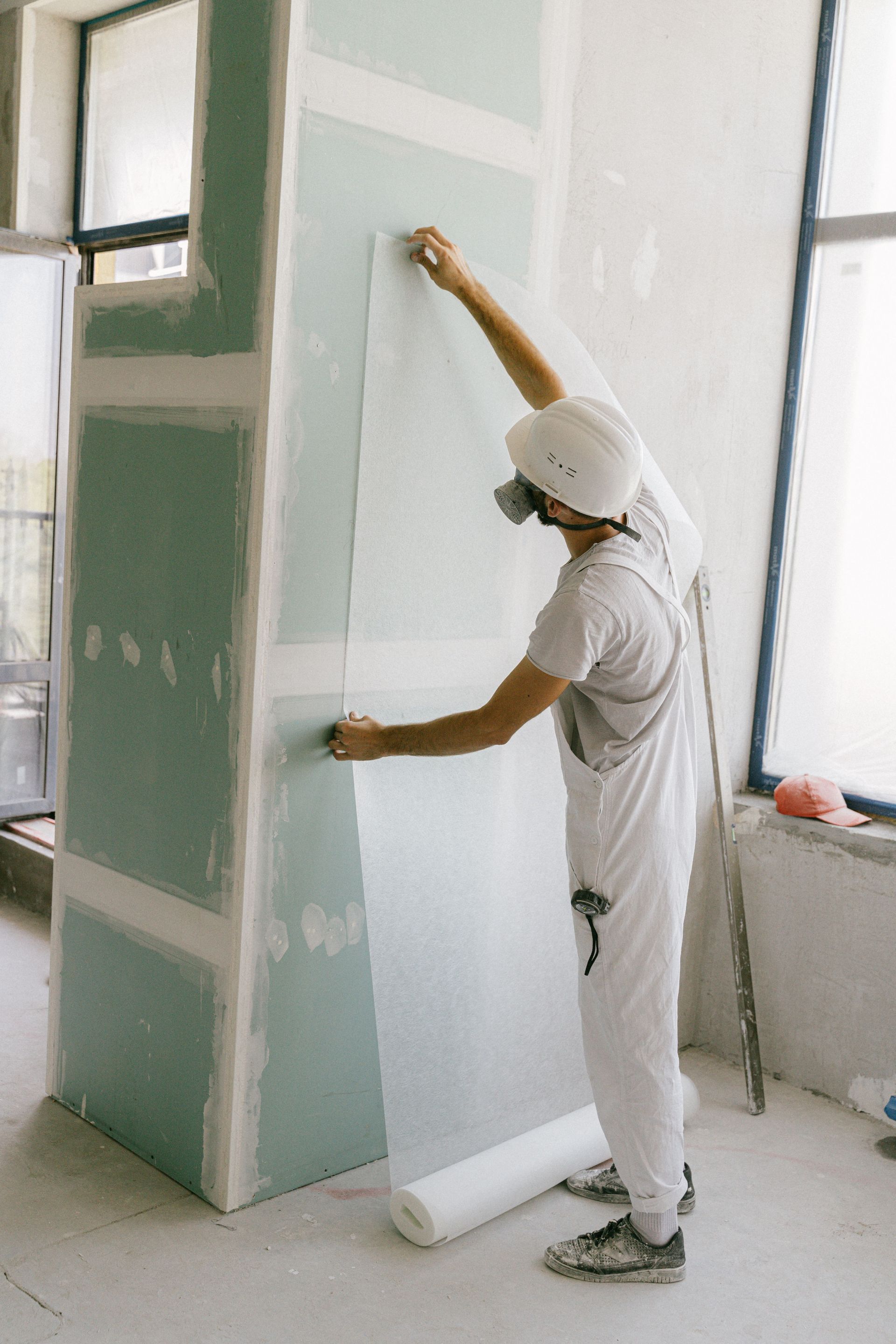
What Can Be Left Behind After Wallpaper Removal?
Wallpaper can hide the actual condition of the wall underneath it. Once the covering comes off, the exposed surface may look very different from what you expected. Some walls may need relatively limited preparation.
Others can reveal adhesive residue, damaged drywall paper, old patches, cracks, or broader surface variations. This is why wallpaper removal should be considered as more than simply pulling material from a wall. If the wall will receive a new finish, the condition underneath the wallpaper matters.
A surface with remaining adhesive or damaged areas may require additional preparation. Torn drywall facing may need repair before the wall moves forward. Existing patches can also become more noticeable after the wallpaper is removed.
Varland Drywall Inc. combines wallpaper removal with professional drywall services when those additional steps are needed. Our company has been established since 1994, and our team brings more than 35 years of drywall and interior finishing experience to residential projects.
Why Wall Condition Matters During Wallpaper Removal
Wallpaper and the wall underneath it are separate parts of the interior surface. The goal is not only to remove the visible wall covering. It is also important to consider what happens to the surface as the material comes away. Drywall has a paper facing over its gypsum core.
If that facing becomes damaged during a wallpaper project, simply covering the area with another finish may not provide the preparation the wall needs. Other walls may reveal existing damage that was already present behind the wallpaper.
This can include previous patches, cracks, dents, or uneven areas. The condition becomes clearer as the wallpaper is removed, which is why the amount of wall preparation needed can vary from project to project.
What About Wallpaper Adhesive Left on the Wall?
Wallpaper removal can leave adhesive or residue behind. That remaining material matters because the wall may eventually need another finish. A surface with significant residue or irregularities may require additional preparation before moving to the next stage.
The objective is to create an appropriately prepared wall rather than treating wallpaper removal as complete while the underlying surface still needs attention. How much preparation is necessary depends on what remains after removal and the condition of the wall itself. Some areas may need localized attention.
Other walls may benefit from broader resurfacing if variations extend across a larger section. This is one reason a drywall and finishing contractor can be useful for a wallpaper removal project. The work can continue from removing the wall covering into addressing the drywall surface underneath.
One of the first questions with damaged drywall is whether the area can be patched or whether replacing a section makes more sense.
Repairing Torn or Damaged Drywall After Wallpaper Removal
When drywall paper or the wall surface is damaged, the affected area may require repair before final finishing. The appropriate work depends on the extent of the damage.
Localized Surface Damage
Small affected areas may call for localized drywall repair and surface preparation. The objective is to address the damaged section and transition it into the surrounding wall before the next finish is applied.
Holes, Cracks, or Existing Damage
Wallpaper removal may expose holes, cracks, dents, or previous repairs that were hidden by the wall covering. These areas can be addressed through our Drywall Repair & Patching services when appropriate.
Larger Damaged Sections
If a section of drywall is too compromised for a practical surface repair, Drywall Replacement may be considered. Replacement is not automatically necessary after wallpaper removal. The actual condition and extent of the damaged drywall should guide the scope.
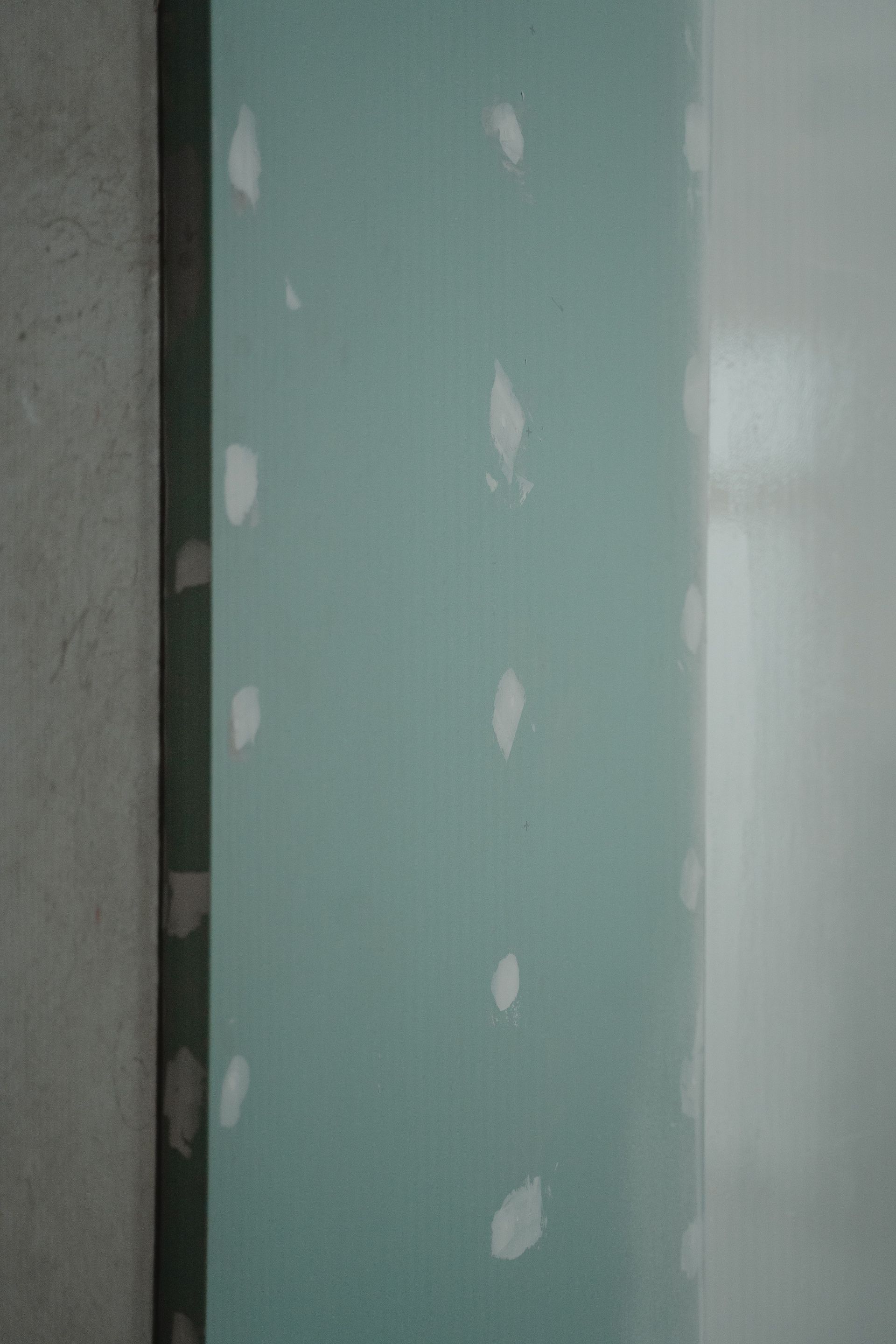
When Does Skim Coating Help After Wallpaper Removal?
Not every wall becomes consistently smooth as soon as the wallpaper is gone. A wall may have numerous small repairs, surface variations, or areas that need broader preparation. In appropriate situations, skim coating can help address the surface more comprehensively.
A skim coat applies a thin finishing layer across a broader area rather than treating every visible variation as an isolated patch. This can be useful when the goal is to prepare a more uniform surface after wallpaper removal. However, skim coating should not be treated as a way to ignore damaged drywall underneath.
Necessary repairs should be addressed before broader finishing work. For projects where smooth-wall preparation is a priority, explore our Level 5 Finishing & Skim Coating service.
One of the first questions with damaged drywall is whether the area can be patched or whether replacing a section makes more sense.
Patching vs. Resurfacing the Wall
A common question after wallpaper comes down is whether the wall needs a few repairs or broader resurfacing. The difference comes down to the condition and extent of the surface issues. The important point is that the finishing plan should respond to the wall revealed after the wallpaper is removed.
Patching
Patching is more localized. If only a few areas have damaged drywall, holes, cracks, or surface defects, those individual sections may be repaired without resurfacing the entire wall.
Resurfacing
Wall resurfacing considers a broader area. It may be appropriate when the exposed wall has numerous variations or when a more consistently prepared surface is desired across a larger section. A wallpaper removal project can involve one approach or a combination of both. Some walls may need several localized repairs followed by broader surface preparation.
Preparing the Wall for Its Next Finish
Wallpaper removal is often the beginning of an interior update rather than the end of one. Once the old covering has been removed, the wall needs to be prepared for whatever comes next.
The exact combination depends on the condition of the exposed surface. Our focus is the wallpaper removal, drywall repair, and wall-preparation portion of the project. We avoid assuming every wall needs the same process before the next decorative finish is applied.
That preparation may involve:
- Addressing wallpaper adhesive or residue
- Repairing damaged drywall paper
- Patching holes or cracks
- Correcting appropriate surface imperfections
- Repairing previous patches
- Sanding repaired areas as needed
- Skim coating where appropriate
- Resurfacing broader wall areas
- Preparing the wall for its intended next finish
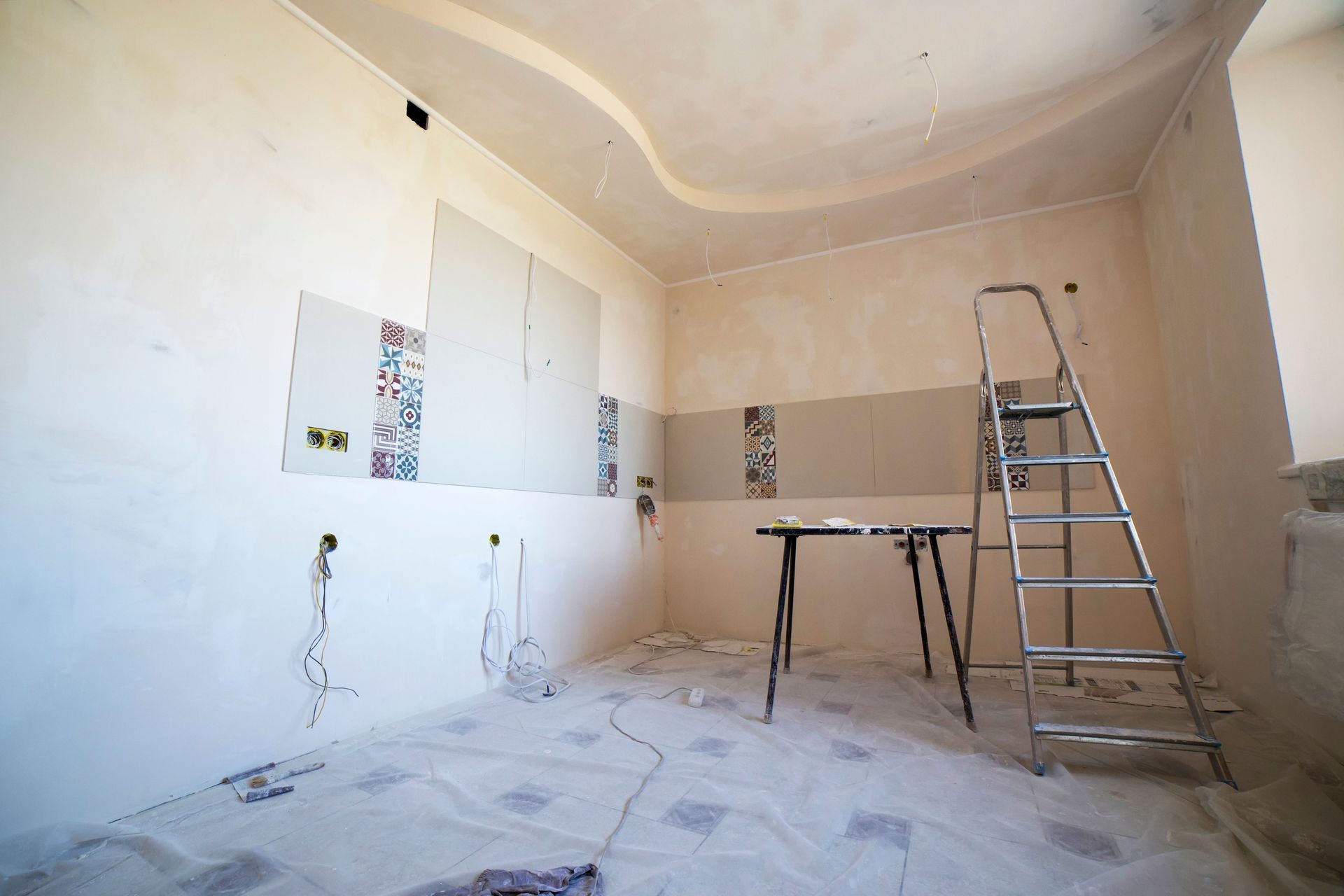
Wallpaper Removal During a Remodeling Project
Wallpaper removal is often part of a broader room renovation. A homeowner may be updating an existing bedroom, living area, hallway, or another interior space.
Removing wallpaper can expose surfaces that need to be brought into the larger remodeling plan. Some sections may only need surface preparation. Others may require drywall patching, replacement, or skim coating.
If the remodel also includes new walls or changed drywall areas, the project can involve both existing and newly installed surfaces. Varland Drywall provides Basement, Garage & Remodeling Drywall services for residential projects where wallpaper removal is only one part of a larger interior update.
Having connected drywall services available can help move the wall from its existing covered condition through repair and preparation.
Why Professional Wall Preparation Matters
The next finish is only one part of how a wall will look. The condition of the surface underneath it also matters. Wallpaper can conceal variations that become obvious once it is removed. If damaged areas, rough transitions, or uneven repairs remain, those surface conditions can continue to affect the wall's appearance.
Professional wall preparation focuses on resolving the appropriate drywall and finishing issues before the surface moves to its next stage. This is especially important when wallpaper removal reveals several different conditions across the same wall.
Instead of treating each step as unrelated, removal, drywall repair, patching, and resurfacing can be considered as parts of the same wall-preparation process.
Why Choose Varland Drywall for Wallpaper Removal?
Wallpaper removal can quickly become a drywall finishing project once the underlying wall is exposed. Varland Drywall Inc. has been established since 1994.
Our team brings more than 35 years of experience to residential drywall and interior finishing work. In addition to wallpaper removal, our services include drywall repair, patching, replacement, taping and mudding, sanding, skim coating, wall resurfacing, texture work, plaster repair, and remodeling drywall.
This range is valuable when removing wallpaper reveals a wall that needs more than basic surface cleanup. We serve an approximately 60-mile radius from the Twin Cities Metro Area, extending toward St. Cloud and surrounding communities.
Primary service areas include North St. Paul, Maplewood, Oakdale, St. Paul, White Bear Lake, Woodbury, Roseville, Shoreview, Vadnais Heights, and Lake Elmo.
Wallpaper Removal FAQs
Can wallpaper removal damage drywall?
The condition of the wall and how the existing wallpaper is attached can affect what is revealed
during removal. Drywall paper or other areas may require repair or additional preparation
afterward.
What happens if adhesive remains after the wallpaper is removed?
Remaining adhesive or residue can affect the condition of the exposed wall. The surface may
require additional preparation before moving to its next finish.
Can you repair drywall damaged during wallpaper removal?
Yes. We provide drywall repair and patching for applicable damaged areas exposed during a
wallpaper removal project.
Does the whole wall need skim coating after wallpaper removal?
Not necessarily. Some walls may only require localized repair, while broader surface variations
may make skim coating or resurfacing worth considering. The condition of the exposed wall
helps determine the appropriate work.
Can you repair holes and cracks found behind wallpaper?
Yes. If wallpaper removal reveals holes, cracks, or other localized drywall damage, we can
provide appropriate drywall patching and repair.
Do you prepare walls for a smooth finish after wallpaper removal?
Yes. Depending on the condition of the wall, preparation may include drywall repair, patching,
sanding, resurfacing, or skim coating where appropriate.
Give the Wall Underneath the Attention It Needs
Removing wallpaper can uncover years of patches, adhesive, damaged drywall paper, and surface variations. Addressing those conditions can be just as important as removing the wall covering itself.
Varland Drywall Inc. provides wallpaper removal, drywall repair, skim coating, and wall resurfacing throughout the Twin Cities Metro Area and surrounding Minnesota communities.
Tell us about the wallpaper you want removed and the condition you want the walls prepared for afterward.
Email:
info@varlanddrywall.com
Business Hours: Monday–Friday, 8:00 AM–5:00 PM Saturday–Sunday: Closed